
A Feast of Ideas: Homeschool Curriculum
By listening to great music, reading living books, tasting foods from around the world, and connecting composers to science, art, literature, and history, students gain a rich understanding of how people, ideas, and cultures have shaped one another across time. Rather than studying isolated subjects, they experience a feast of interconnected learning that cultivates curiosity, cultural awareness, historical understanding, and a lifelong appreciation for music and the humanities.
Links to the physical books (available through Amazon)


Ten Benefits of Feast of Ideas
1. Students See History as a Connected Story
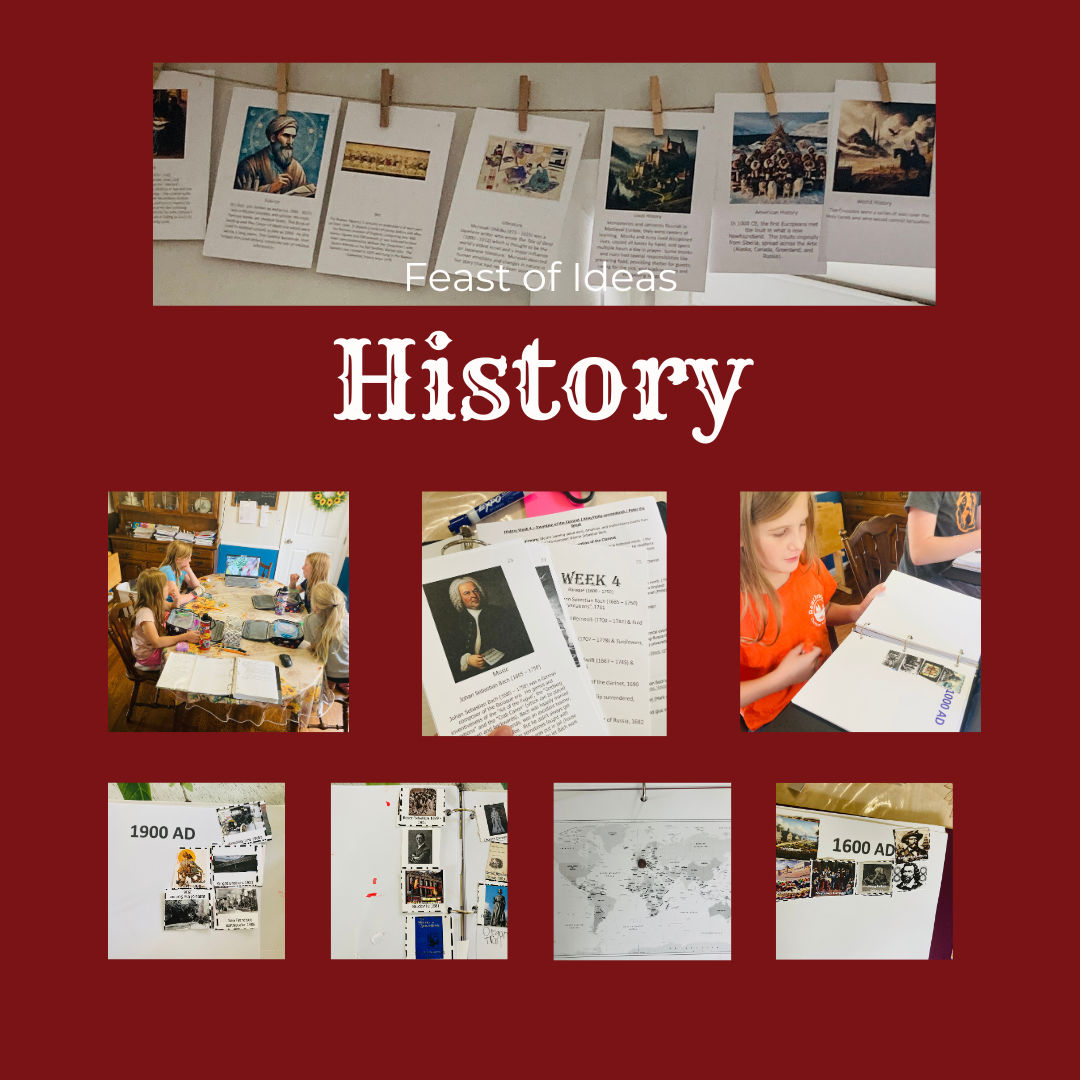
Instead of learning isolated facts, students discover that composers lived during real historical events and alongside scientists, artists, authors, and leaders.
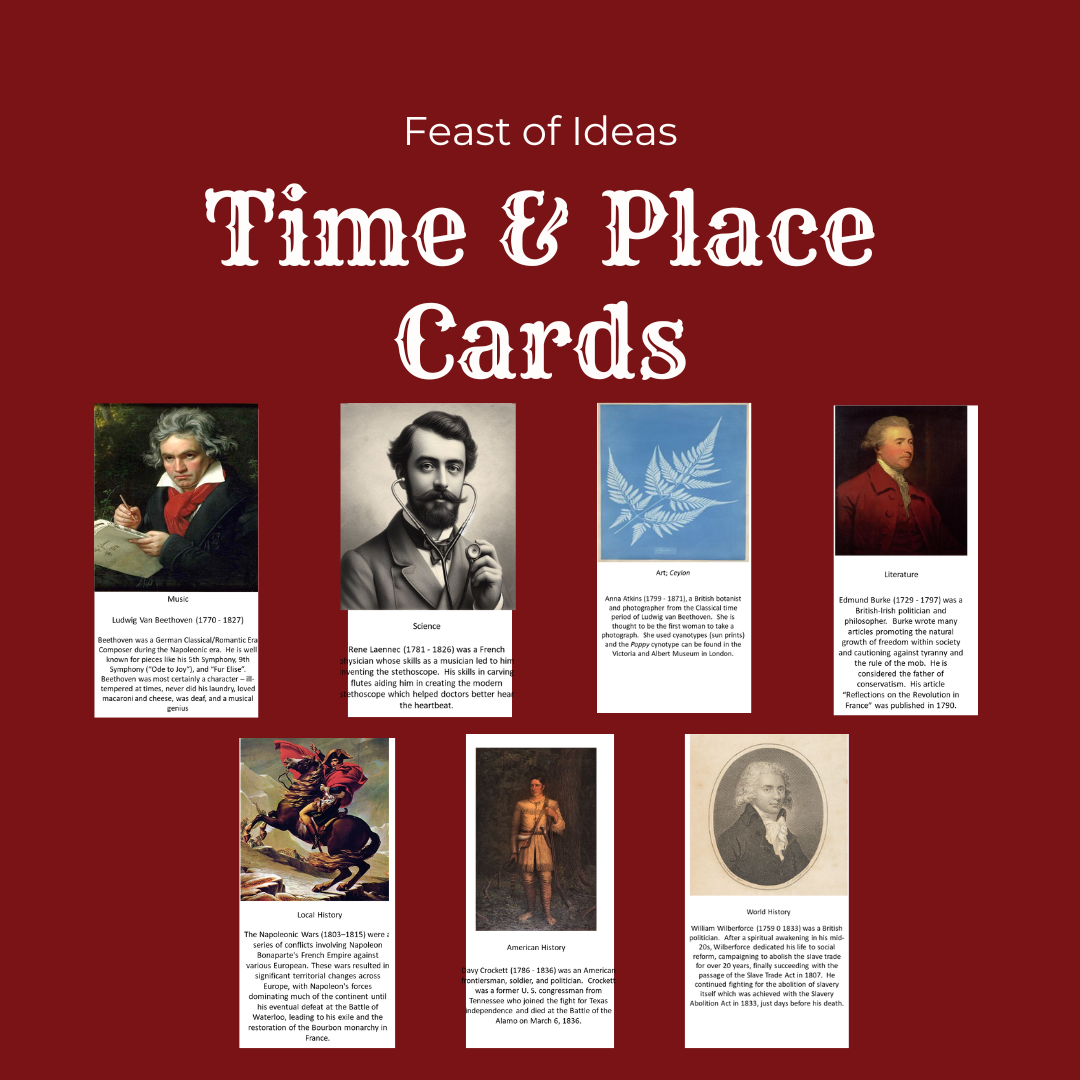
For example, when learning about Ludwig van Beethoven, students can connect his life to the era of revolutions and social change.
History becomes a web of relationships rather than a list of dates.
2. Students Understand Music in Context
Music is no longer just a collection of sounds.
By studying the composer's life and world, students begin to ask:
What was happening in the world when this music was written?
How did the composer's experiences influence the music?
What ideas and values shaped this culture?
This leads to deeper listening and appreciation.
3. Multiple Learning Styles Are Engaged
Students learn through:
Listening (music)
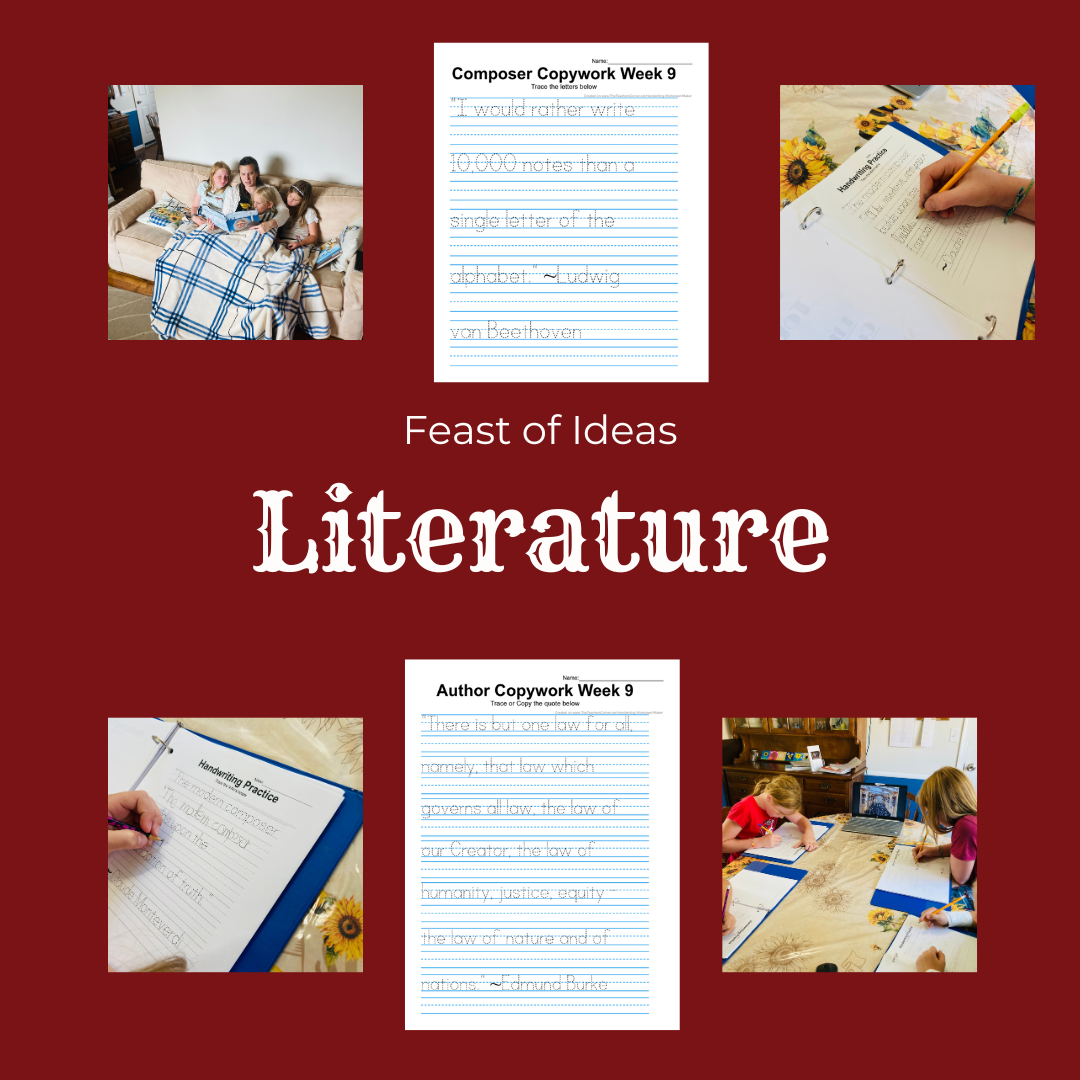
Reading (living books and biographies)
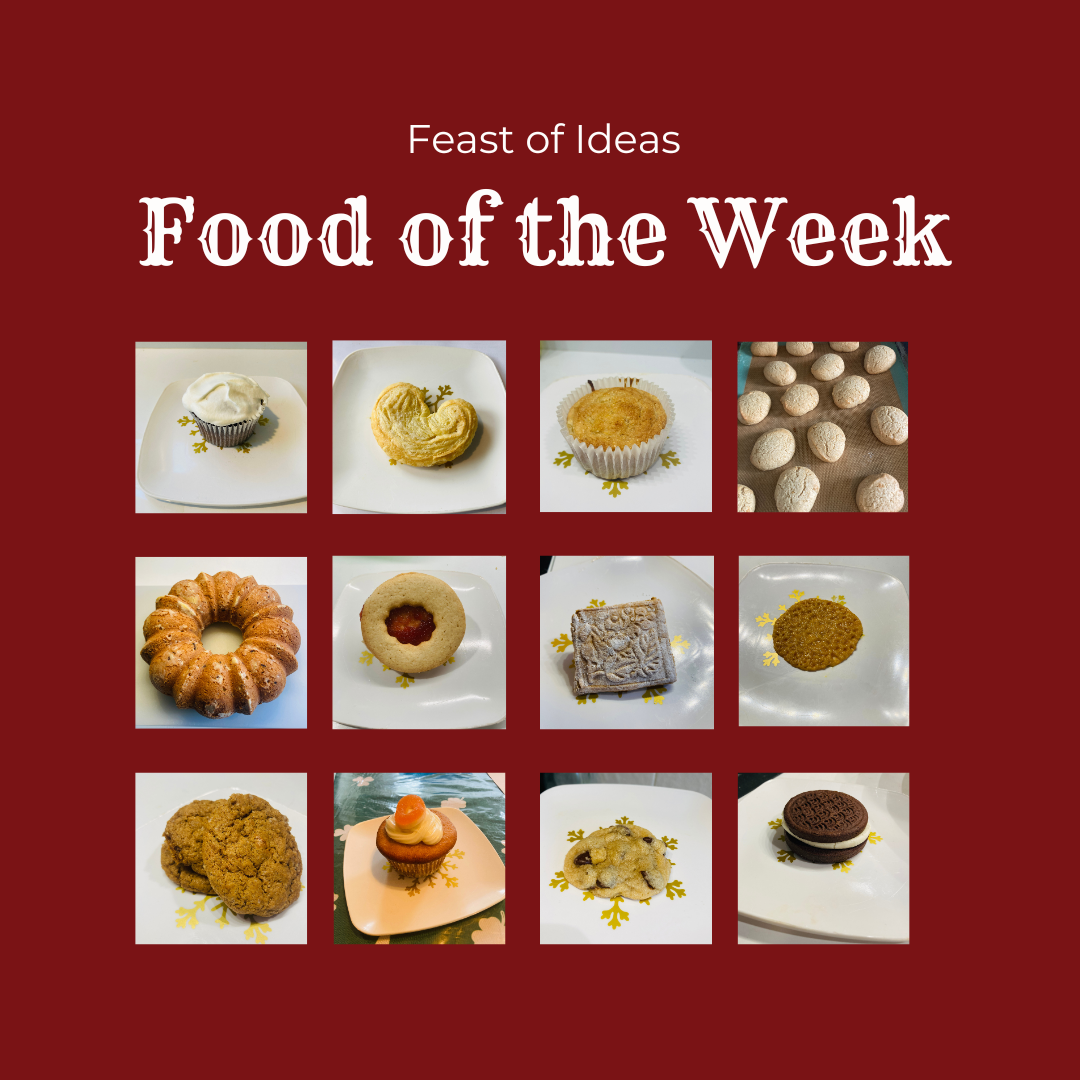
Tasting (foods and cookies from various countries)
Movement (games and dances)
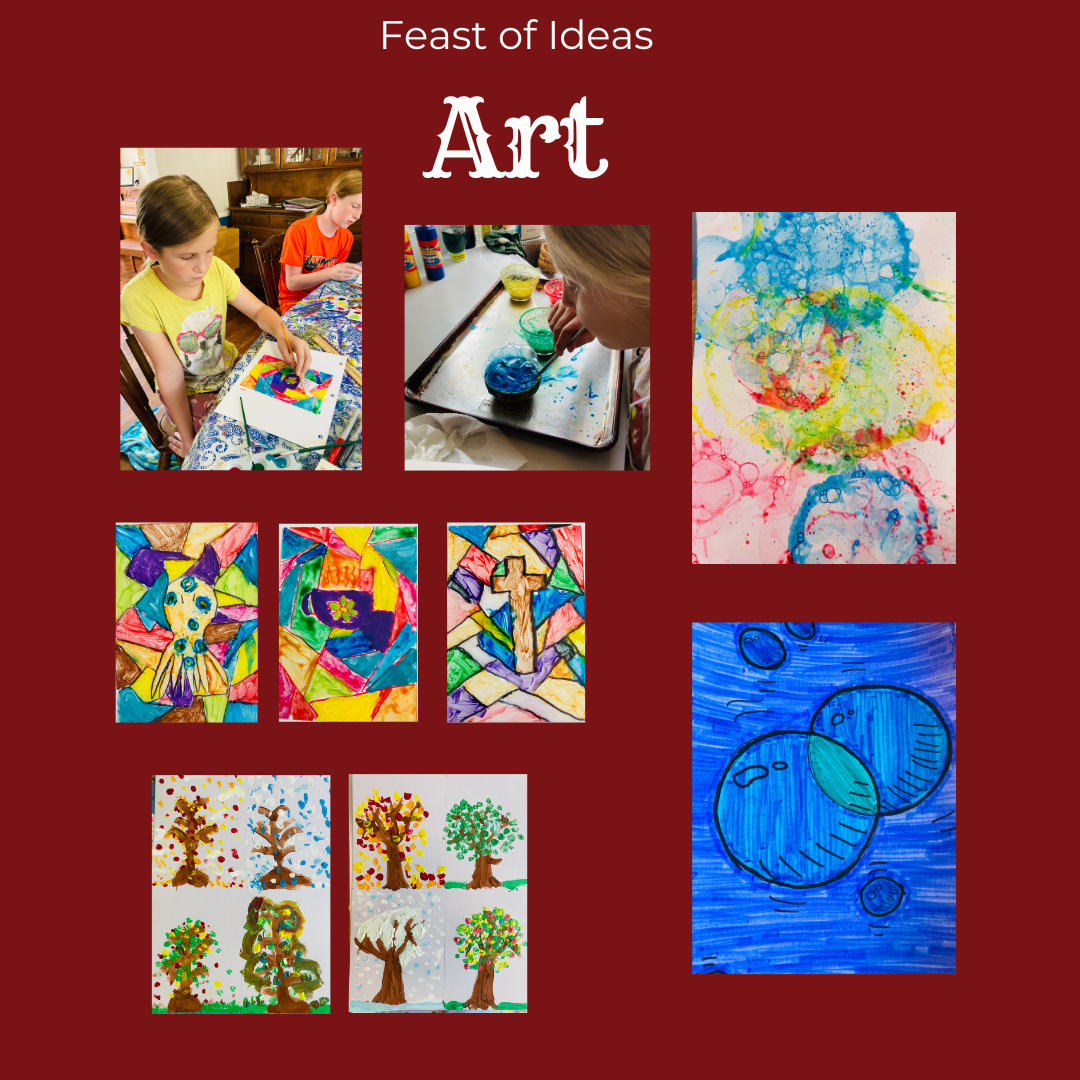
Visual observation (artwork)
Discussion and narration
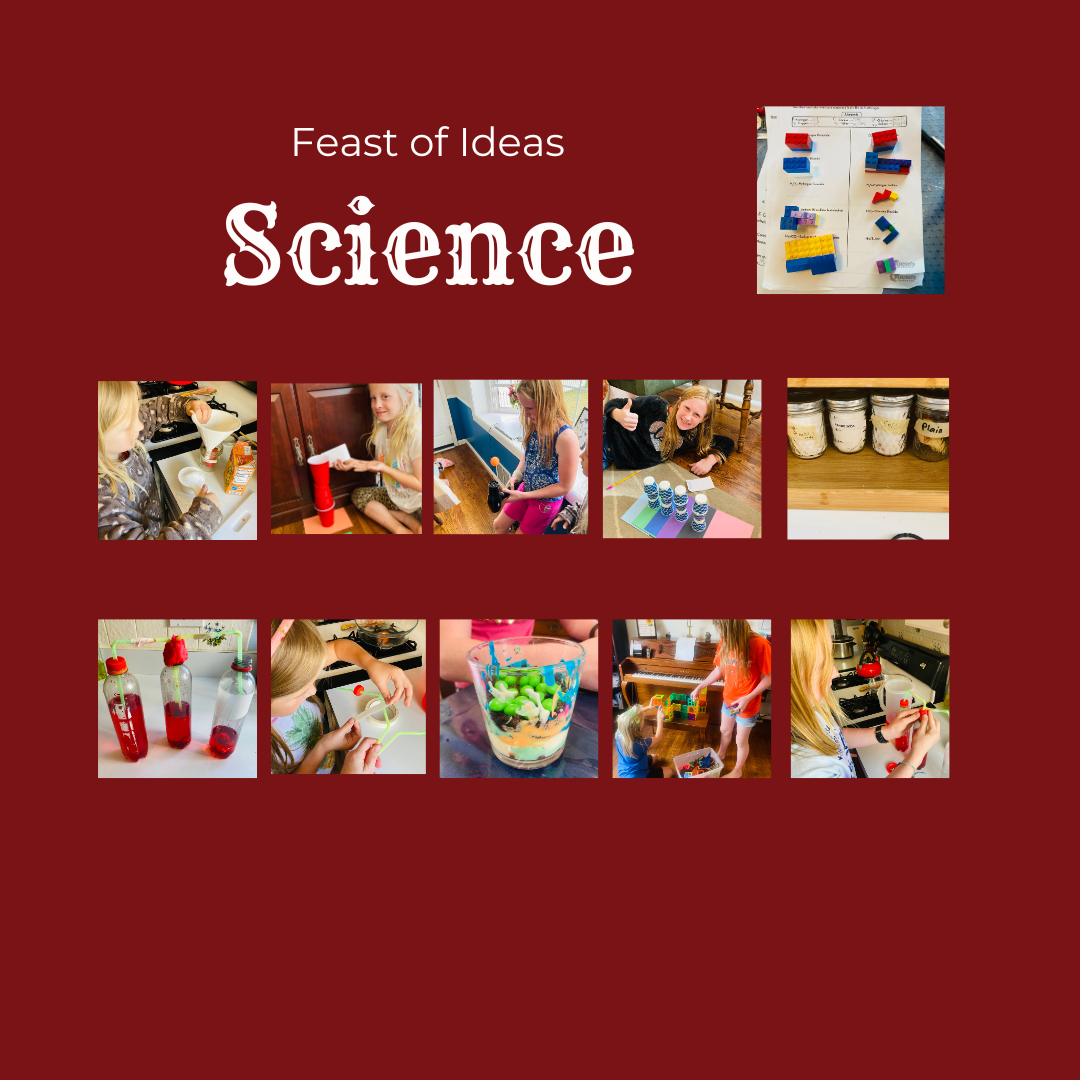
Hands-on activities
Because information is encountered through many senses, it is more likely to be remembered.
4. Students Develop Cultural Awareness
Sampling foods and learning folk traditions from different countries helps students appreciate cultures beyond their own.
They begin to see:
Similarities among people around the world
Unique traditions of different nations
How culture influences art and music
This encourages curiosity and respect for others.
5. Students Build a Chronological Framework
Studying composers from Medieval through Post-Modern periods helps students develop a mental timeline of history.
They begin to recognize:
How music changed over time
How inventions affected society
How artistic styles evolved
Connections between historical periods
This "book of centuries" approach helps students organize knowledge in a meaningful way.
6. Learning Becomes Memorable Through Association
Educational research shows that the more connections students make, the better they remember information.
A student may remember:
A composer's music
The cookie they tasted
The painting they studied
The scientist they learned about
The historical event they discussed
All of these become linked together, creating stronger memories.
7. Students Learn That Great Ideas Happen Simultaneously
When students discover that a composer, scientist, artist, and author were alive at the same time, they begin to understand history as a vibrant period filled with innovation.
For example, they see that:
Music was developing.
Scientific discoveries were occurring.
Literature was being written.
Important historical events were unfolding.
This helps students grasp the "spirit" of an age.
8. Students Develop Empathy and Human Understanding
Biographies reveal that composers were real people who experienced:
Success and failure
Joy and sorrow
Perseverance and hardship
Students learn character lessons from the lives of these individuals while recognizing the humanity behind great achievements.
9. Students Experience a Charlotte Mason Style "Feast"
Rather than studying one subject in isolation, students encounter a broad feast of ideas.
Music becomes a doorway into:
History
Geography
Science
Art
Literature
Culture
Character
Students gain a richer and more holistic education.
10. Students Discover That Knowledge Is Interconnected
Perhaps the greatest benefit is that students learn that subjects are not separate compartments.
Music connects to:
Mathematics
Science
History
Language
Art
Culture
This reflects how learning works in the real world and helps students become lifelong learners who naturally make connections between ideas.
Who am I?
As an educator and a mom, my desire is for my children to know their Creator, their world, and their neighbors across all countries and centuries. And like the countless meals we moms plan, shop, and prepare for our families each year, you will find in the pages of this curriculum, I have created a delicious and nutritious menu of topics and subjects to inspire their appetite for wonder, beauty, and truth. Using Charlotte Mason-flavored ingredients like living books, narrations, observational studies, copywork, and the book of centuries, we feast together, be it around the table, cuddled on the couch, or out in nature. I trust that the epic homeschooling feast on which you embark this year will do the same for you and your children. Bon appetite!
Why did I create this curriculum?


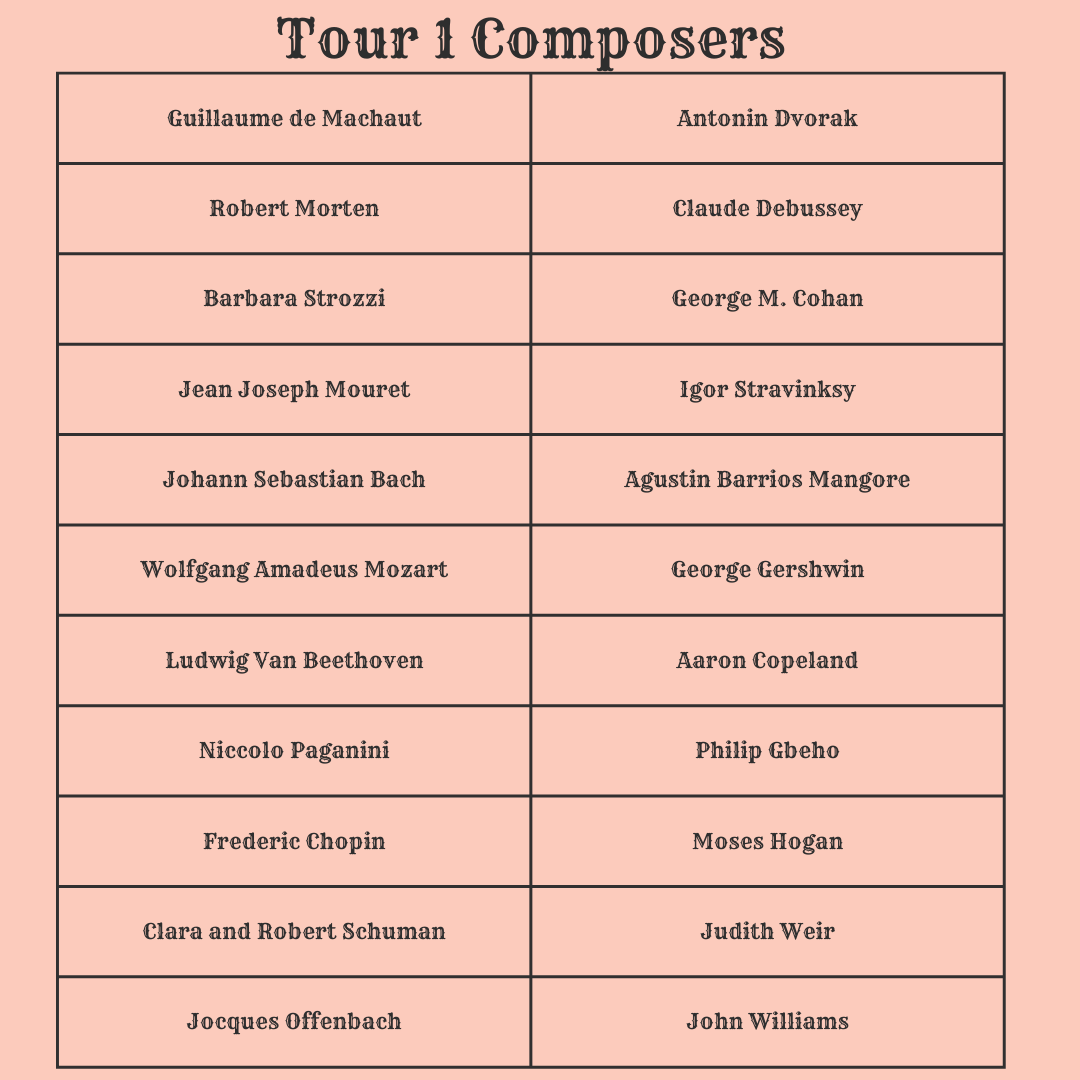
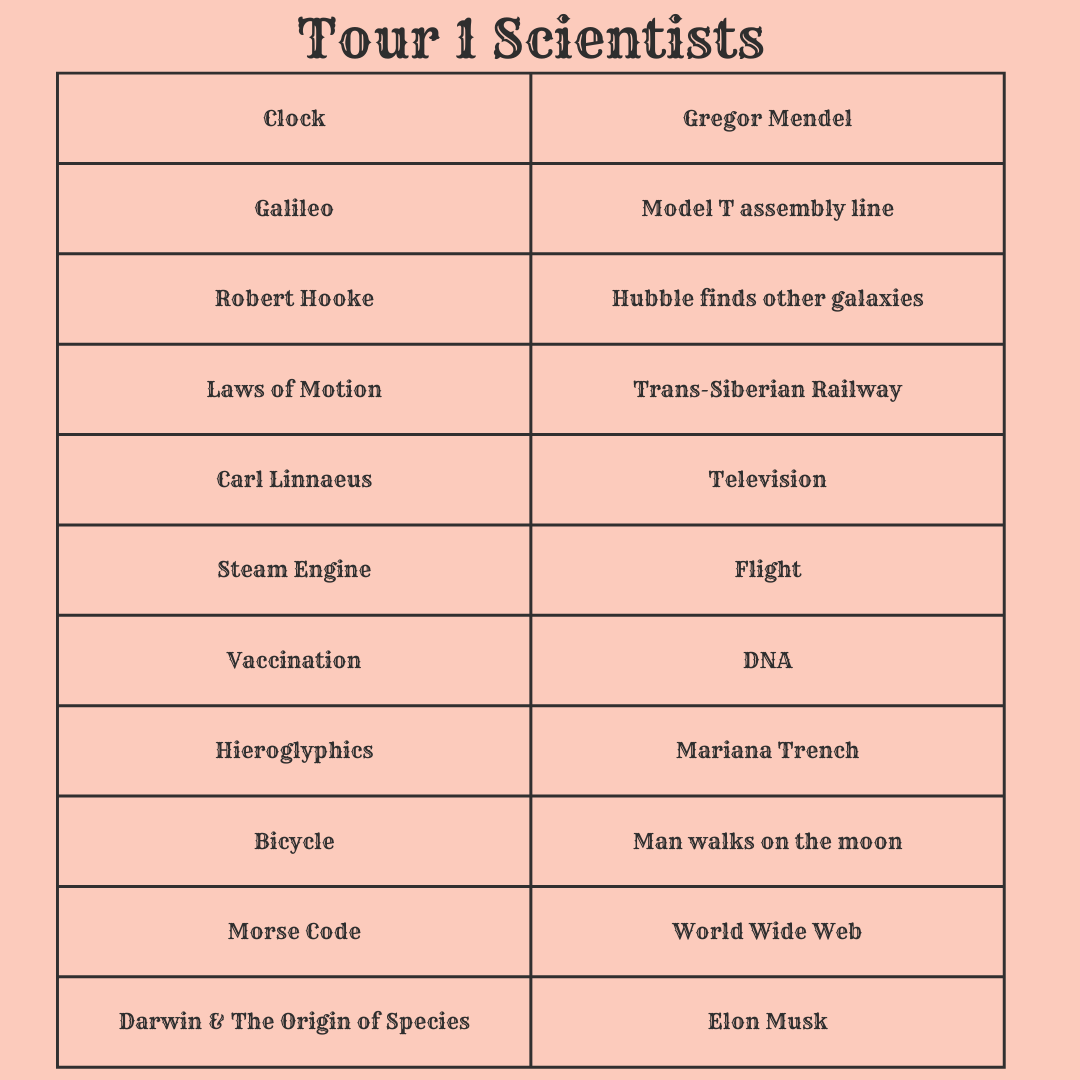
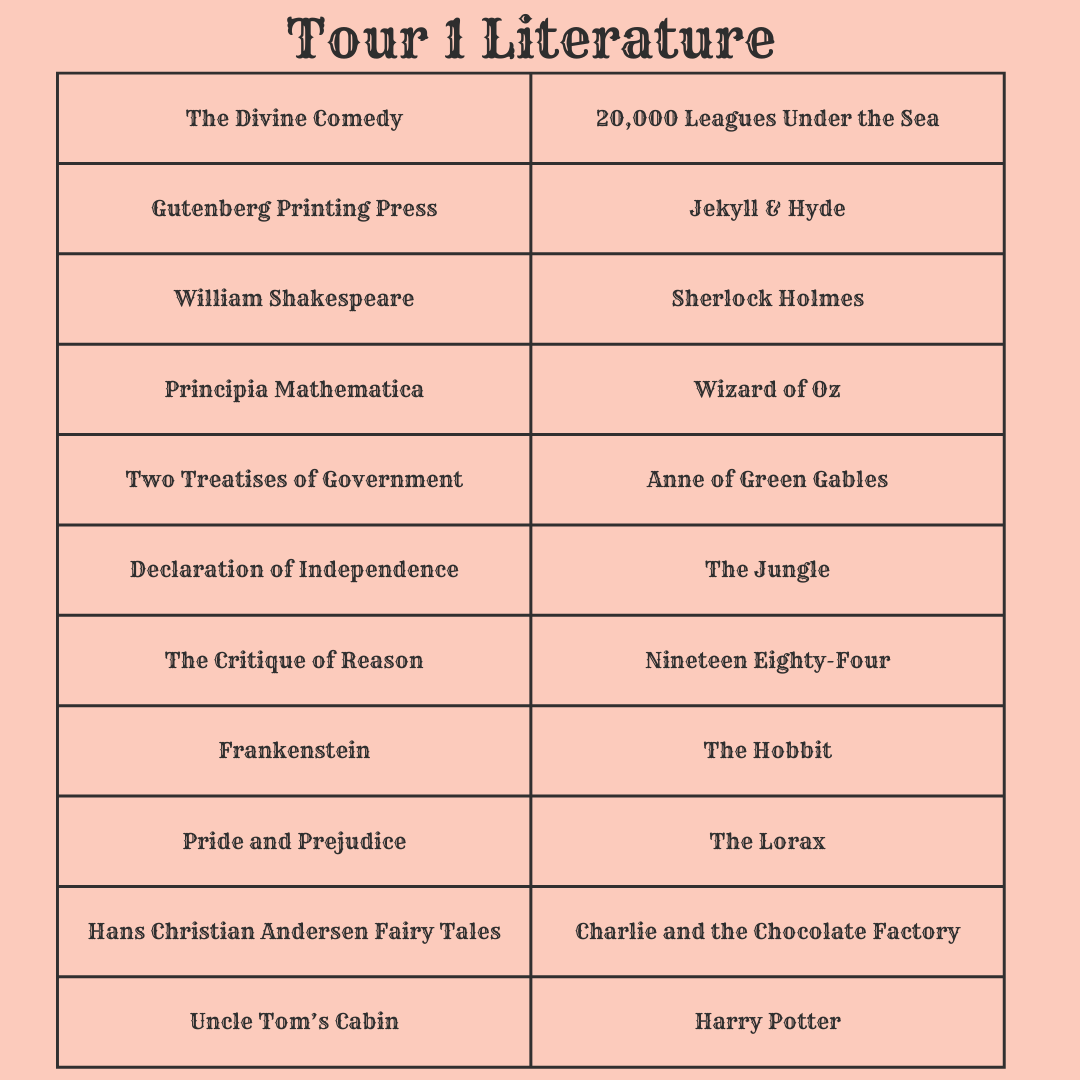
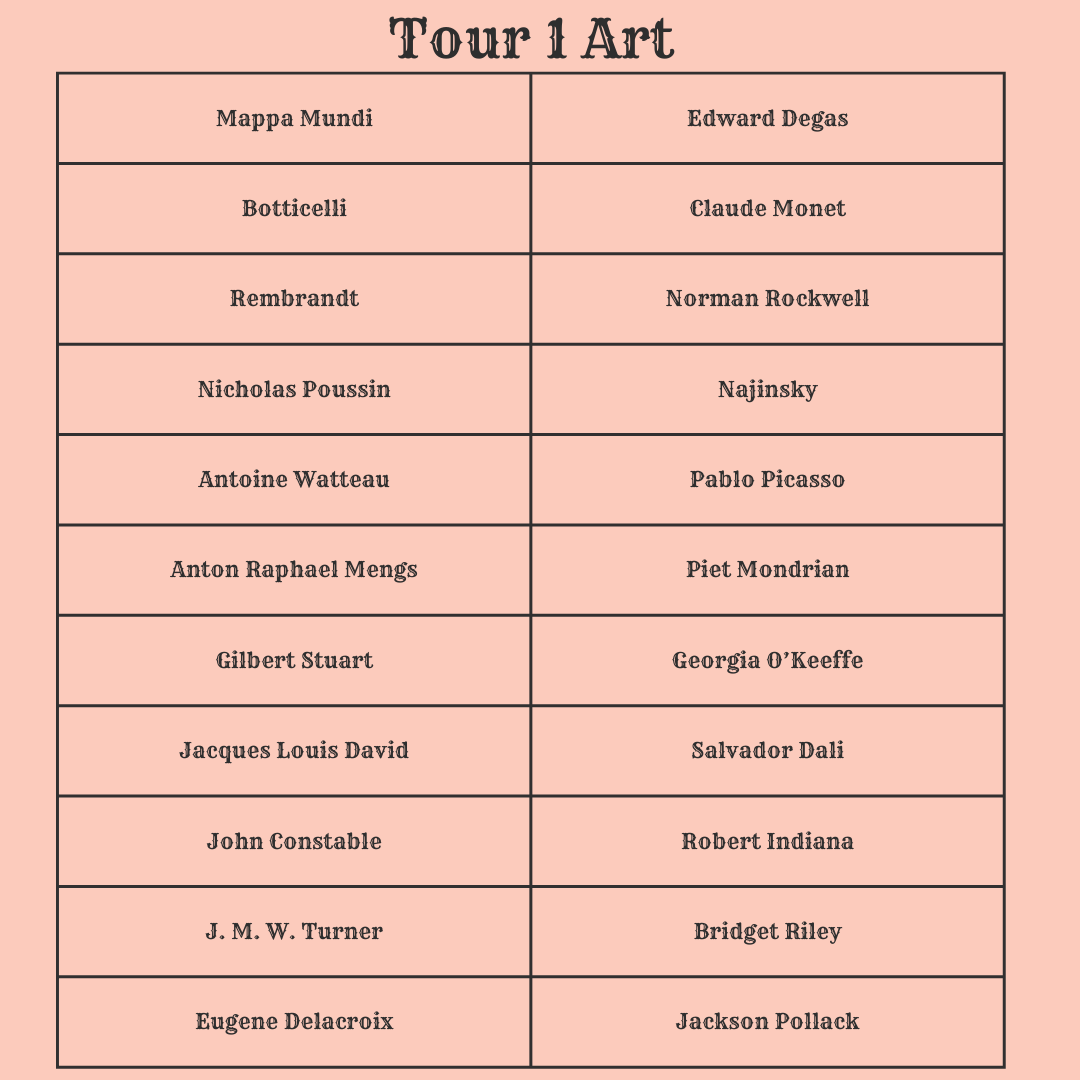
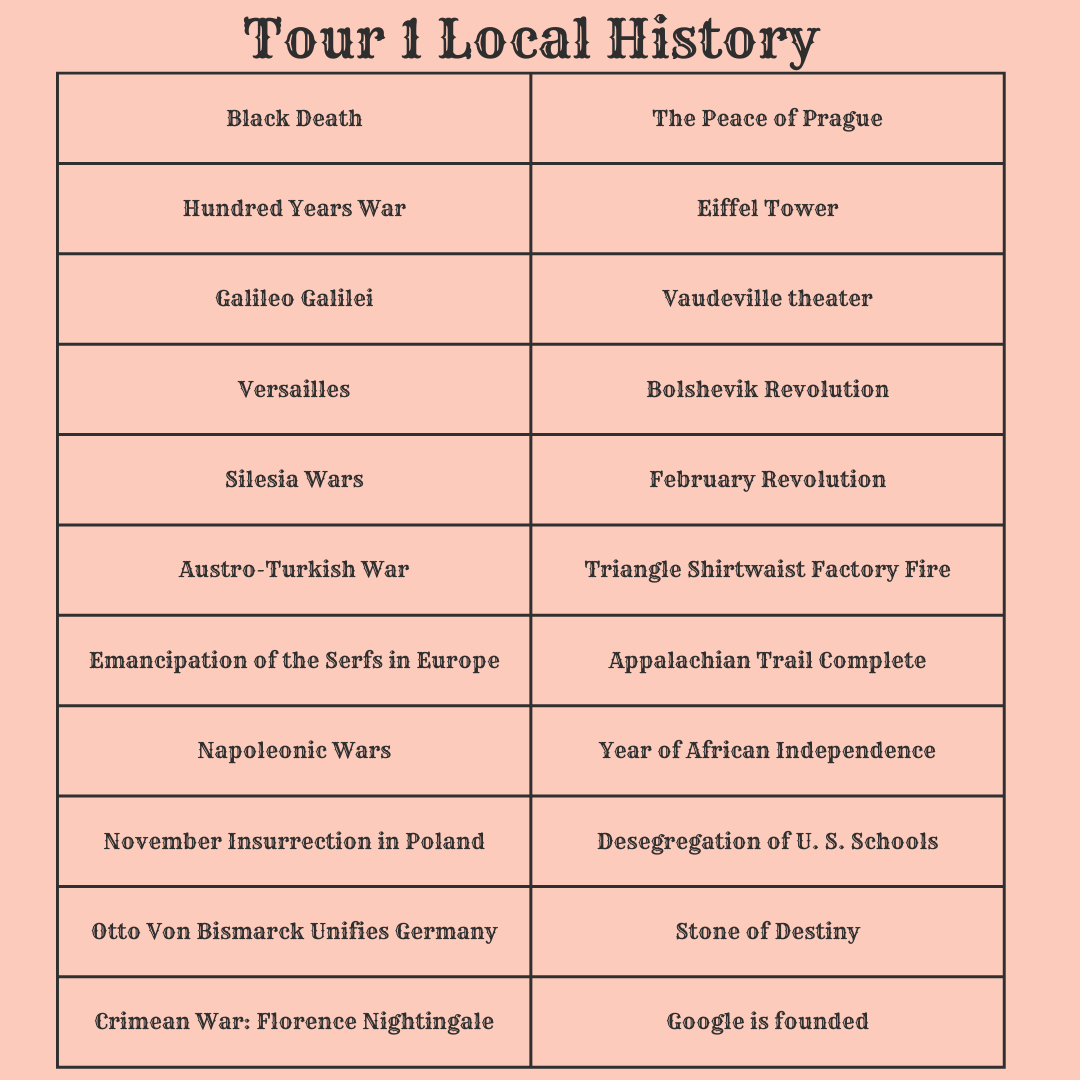
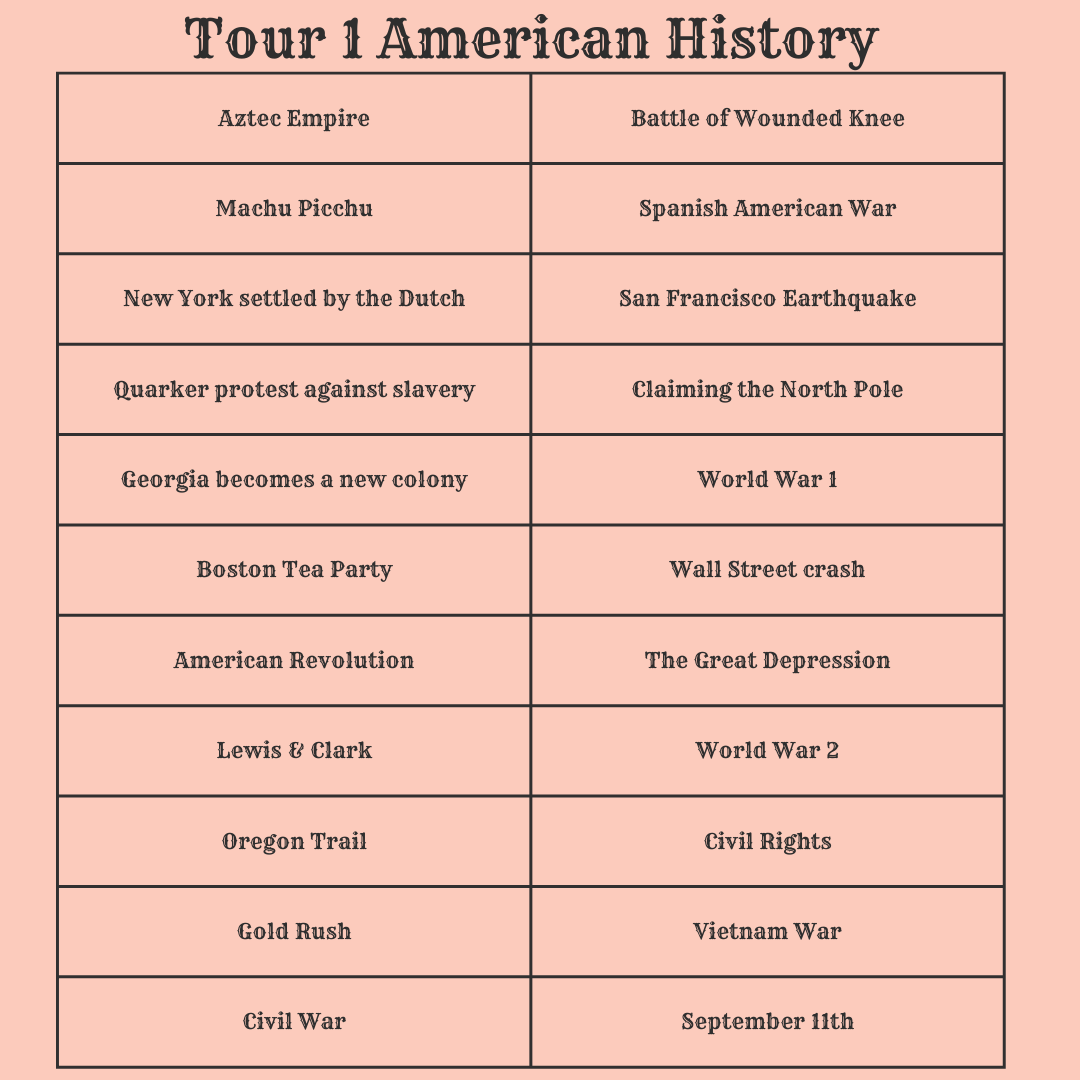
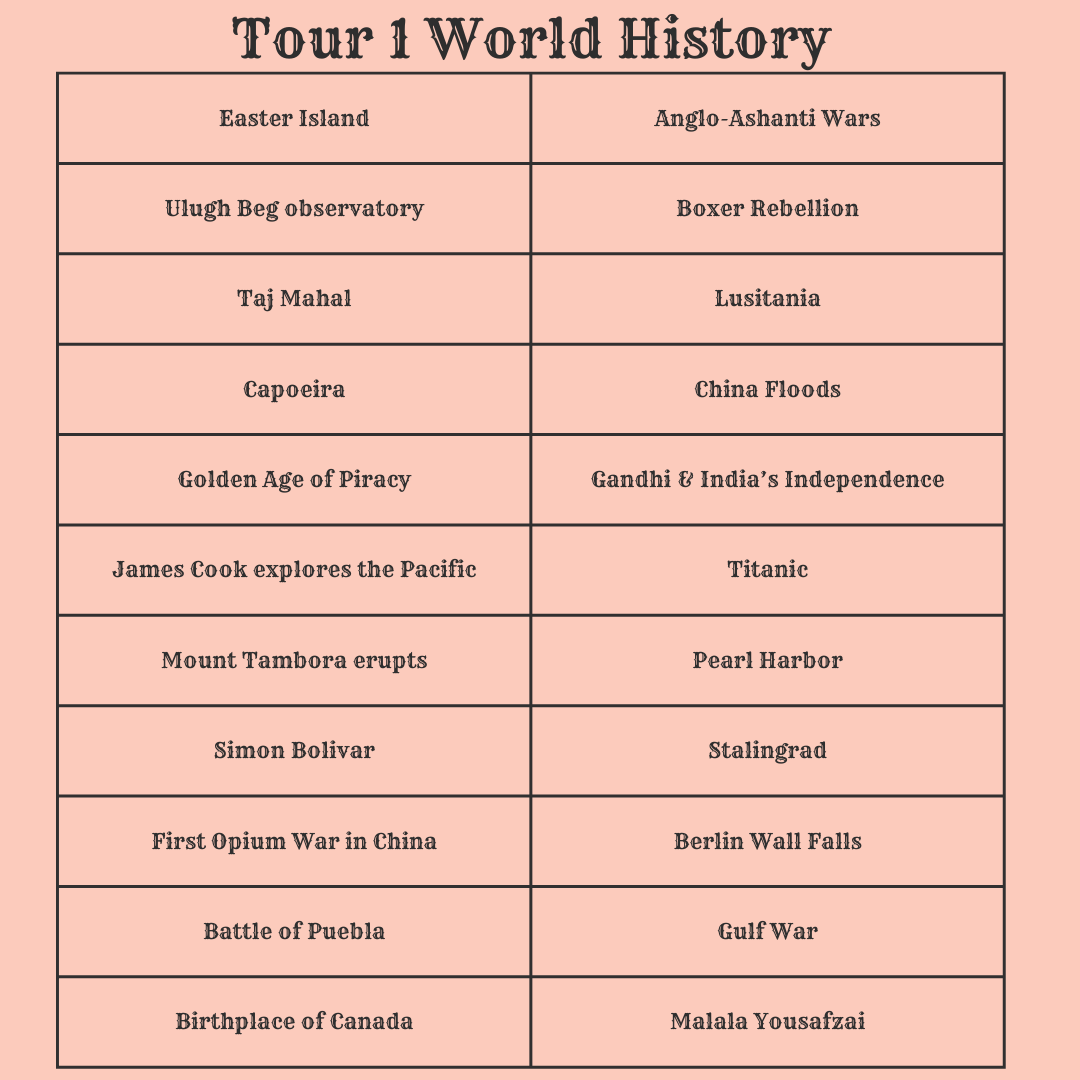
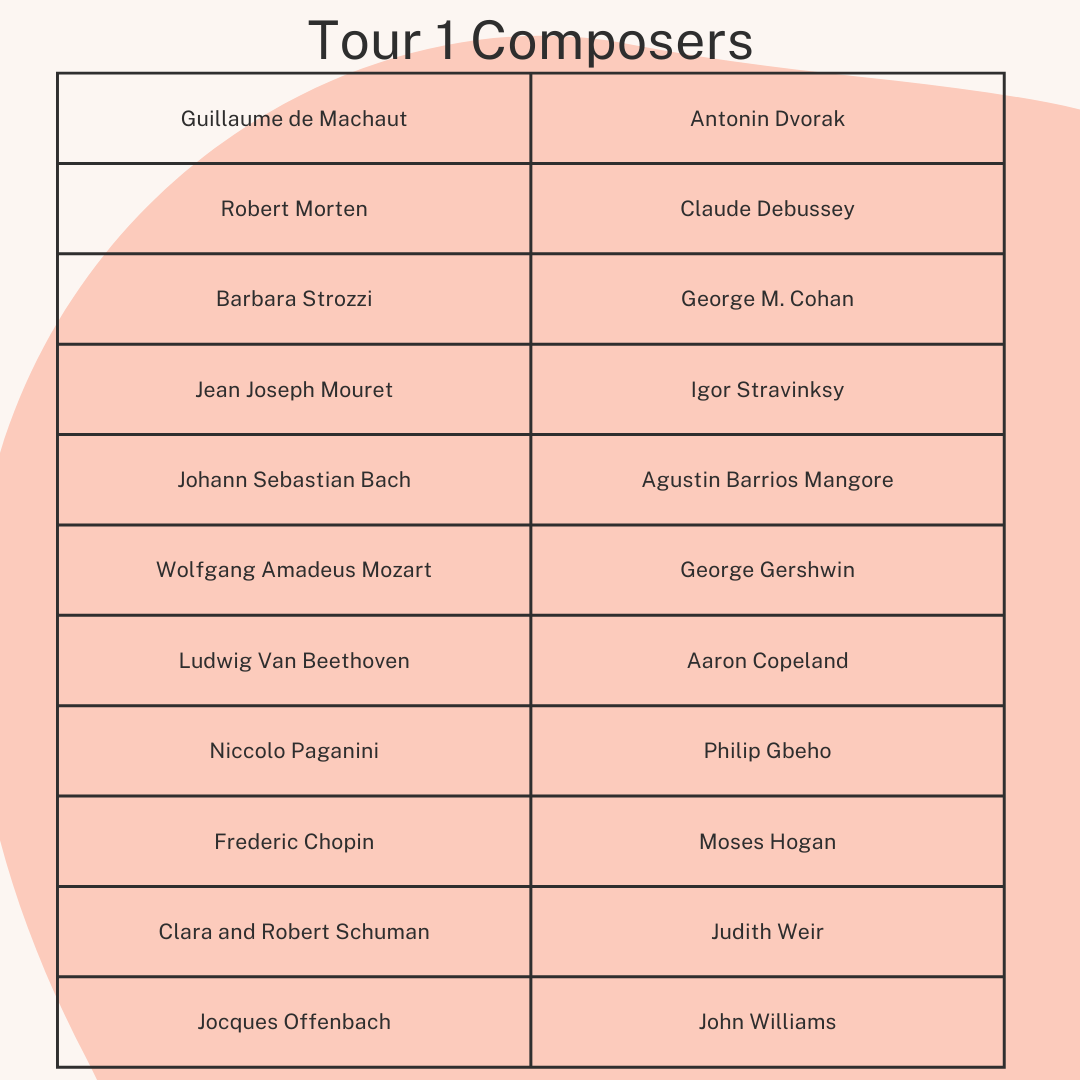
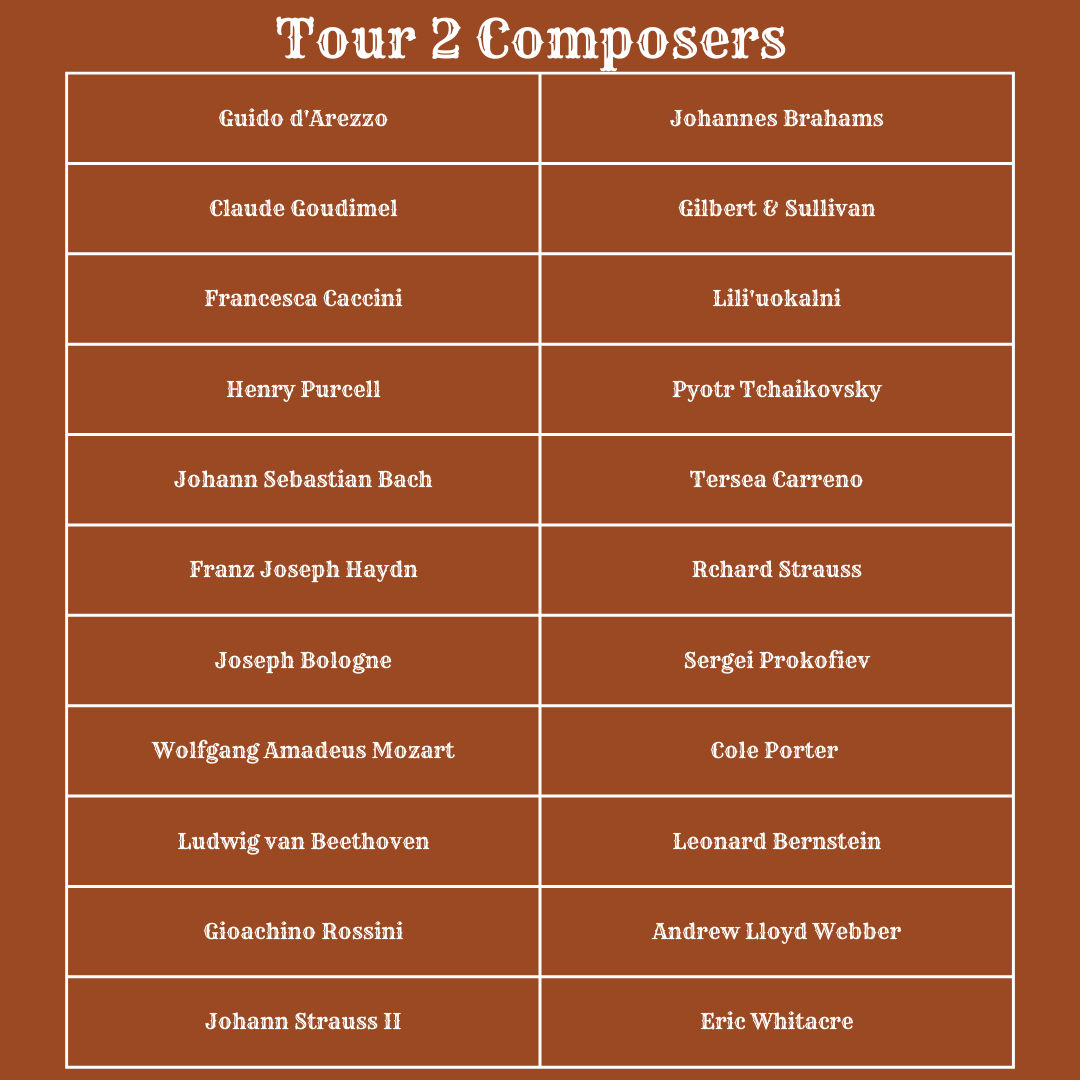
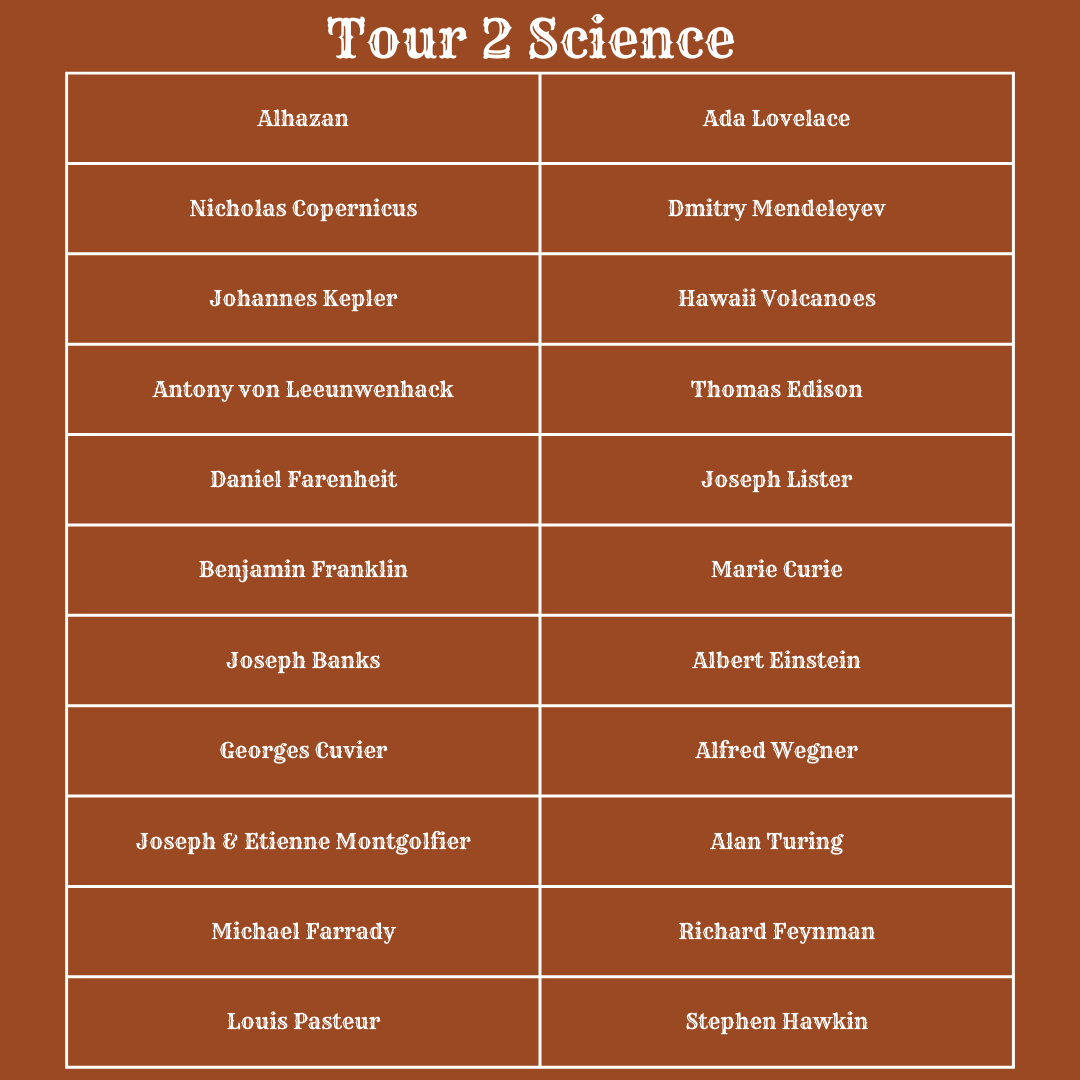
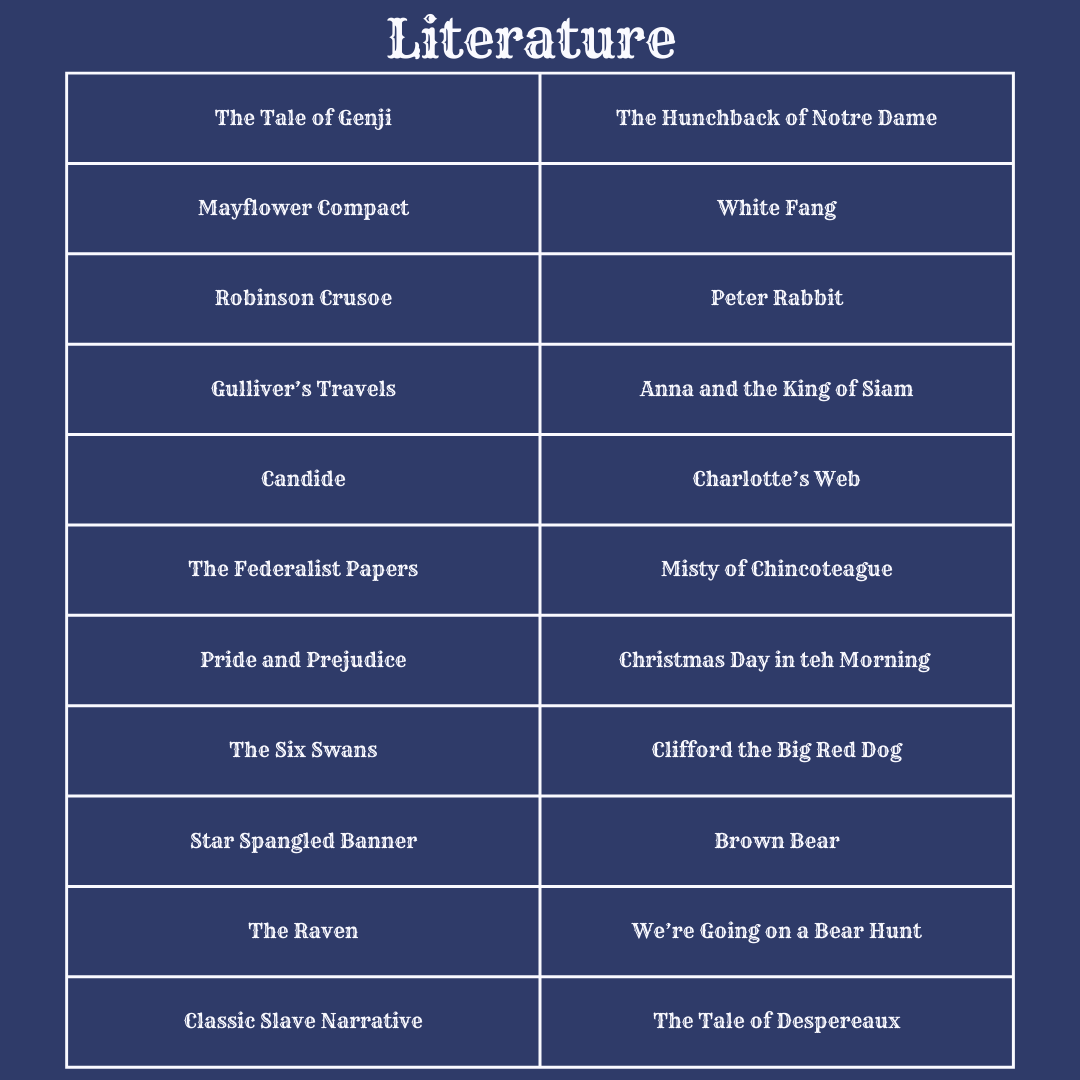
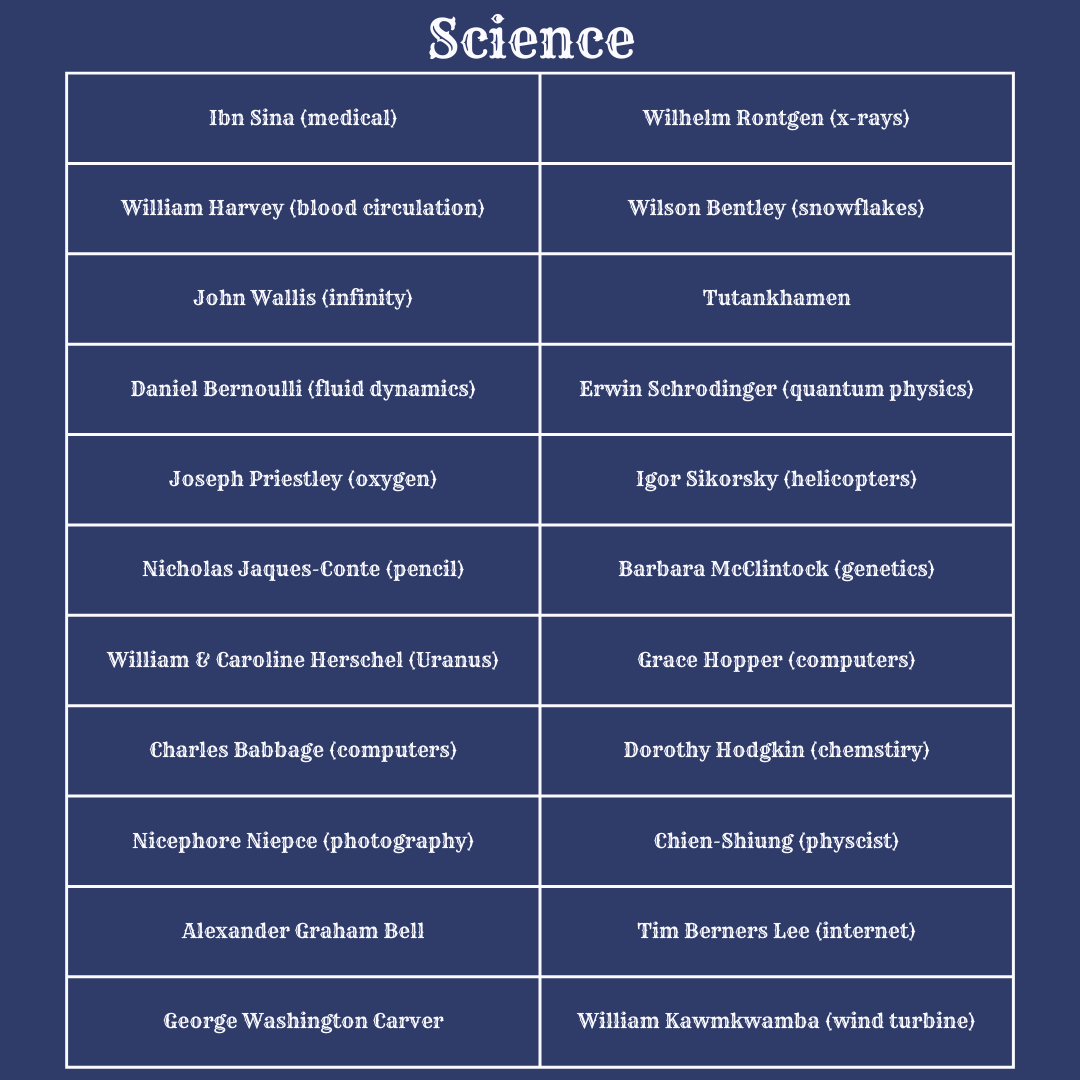
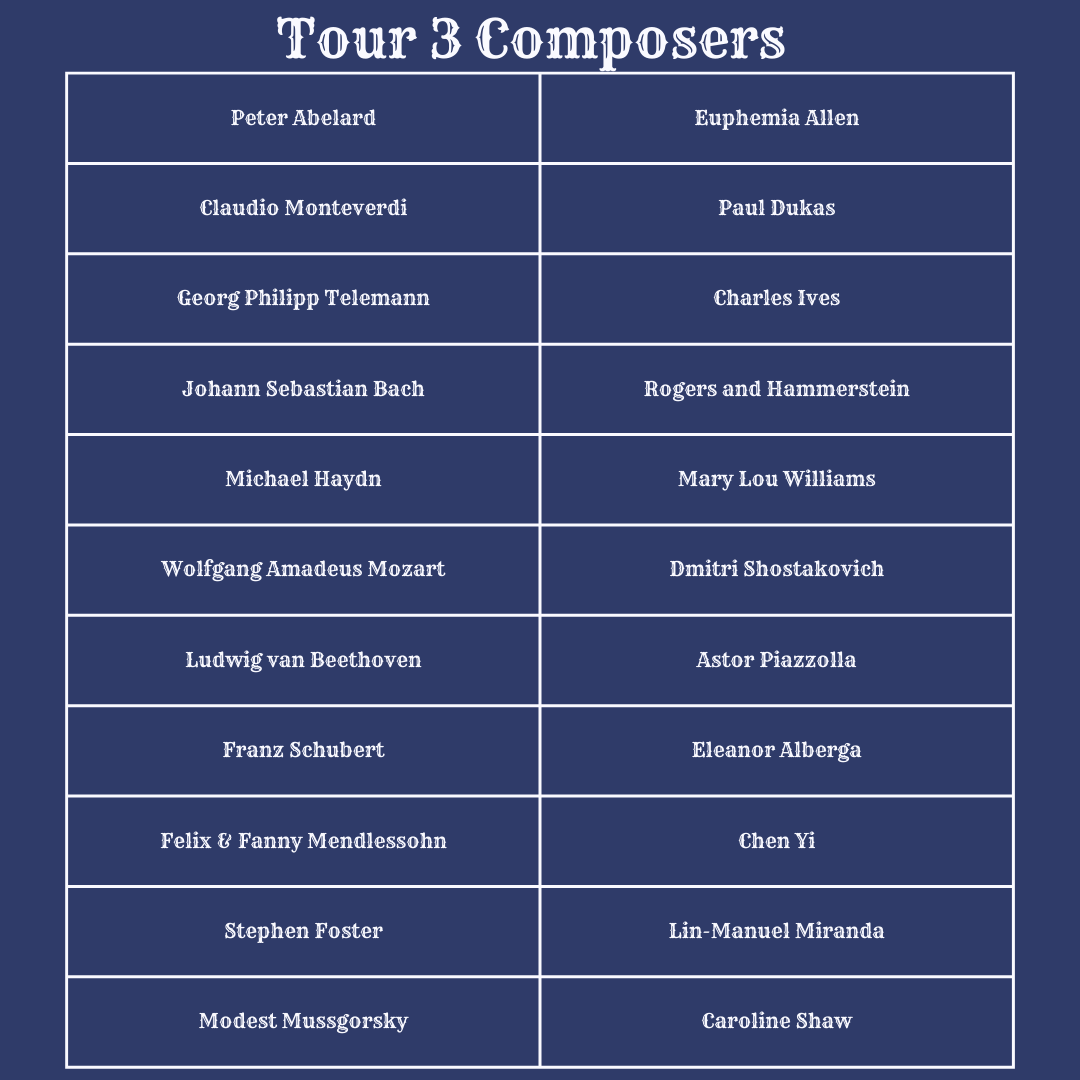
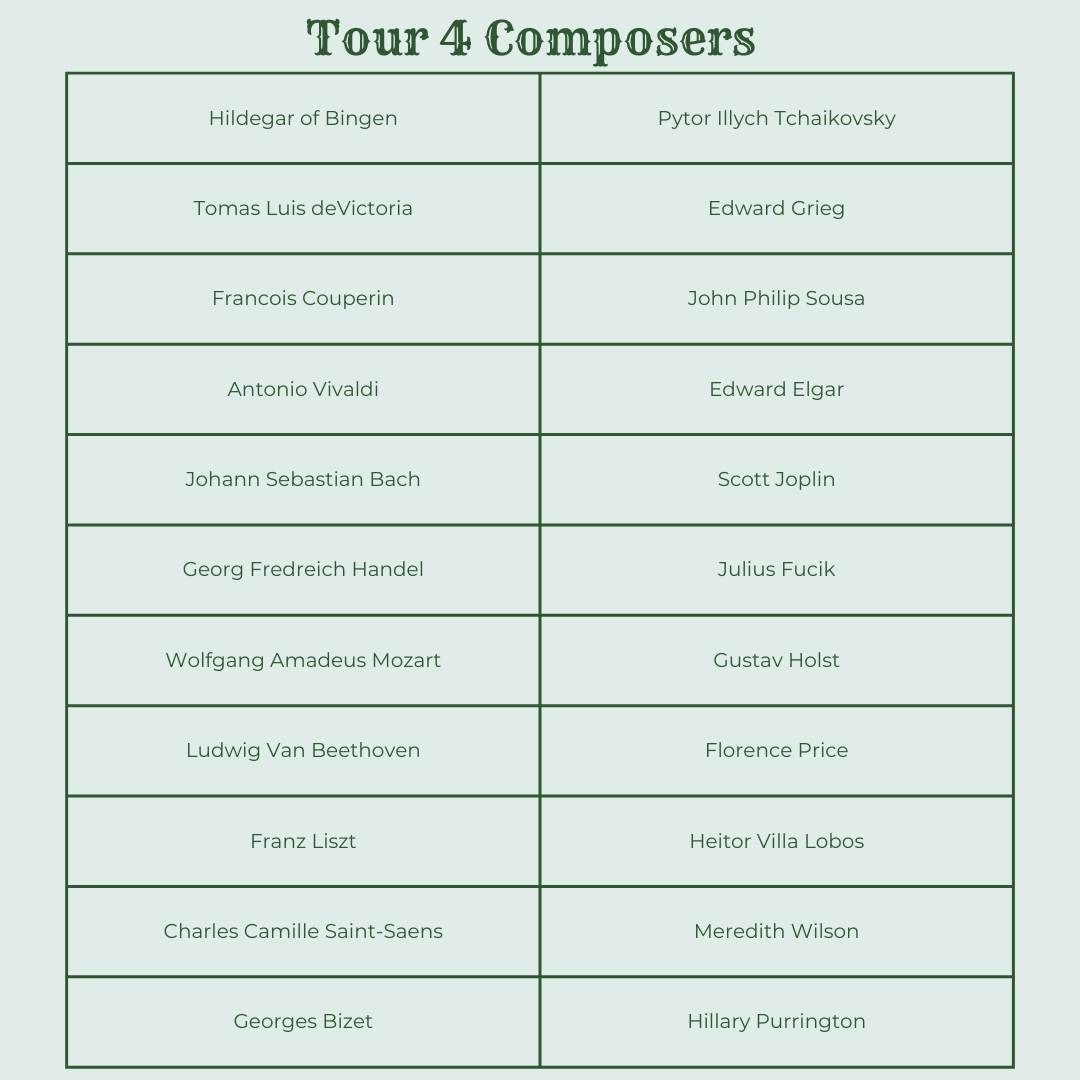
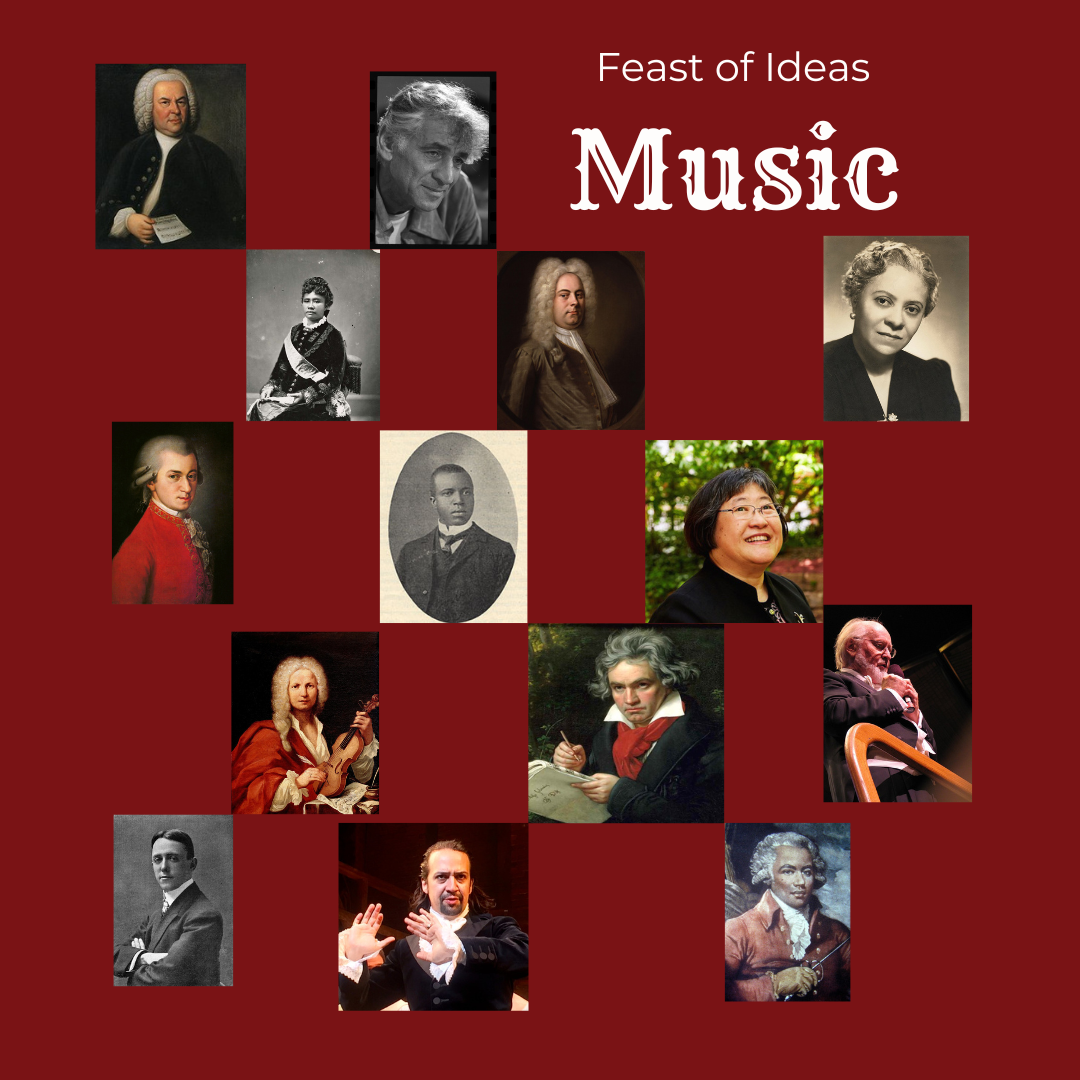
Designed for elementary and middle school students, families will learn 22 composers by listening to their music, eating food from their country of origin, read books related to their life, and study science, artwork, literature, local history, American history, and world history that occurred in the composer’s lifetime.
How does Feast of Ideas work?
Topics
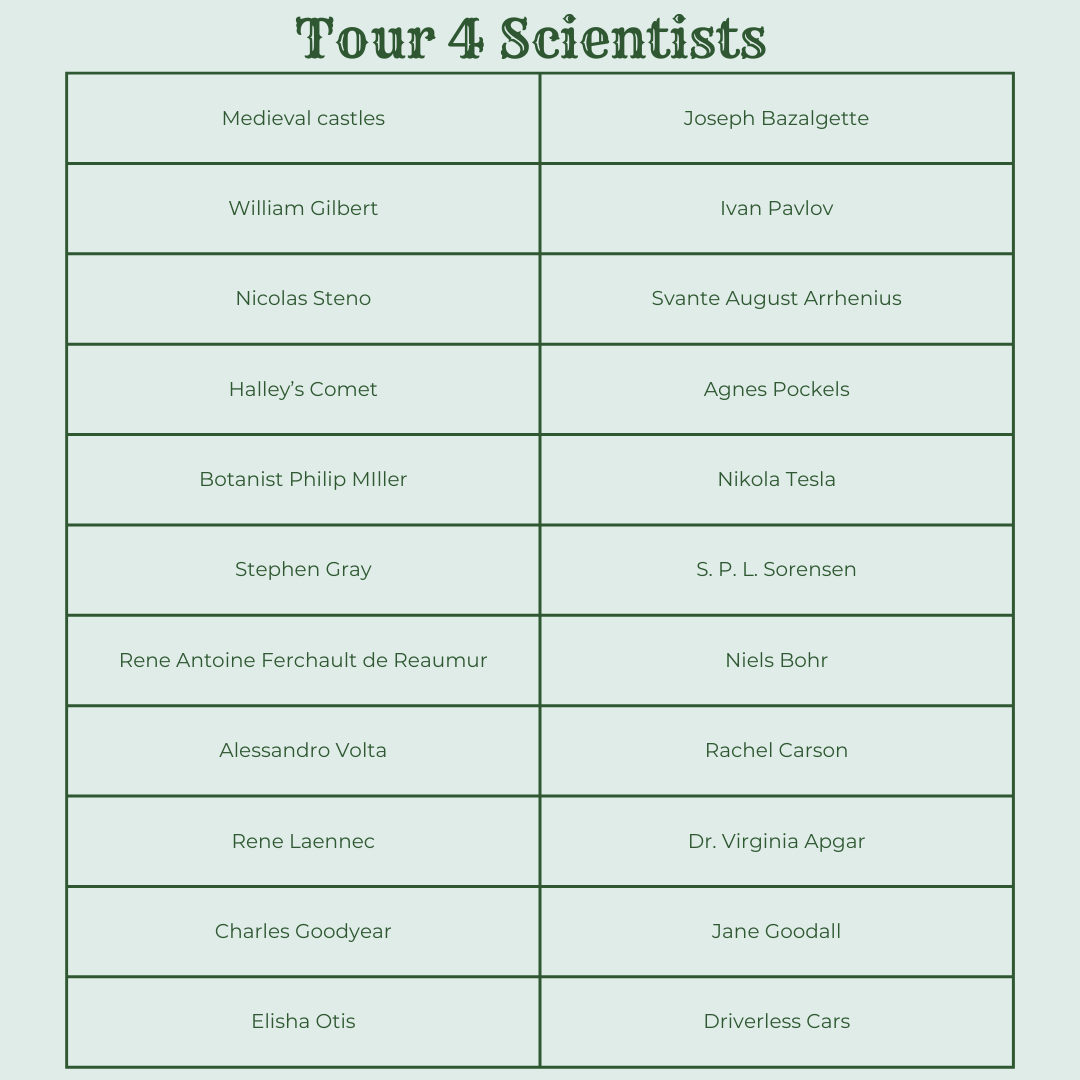
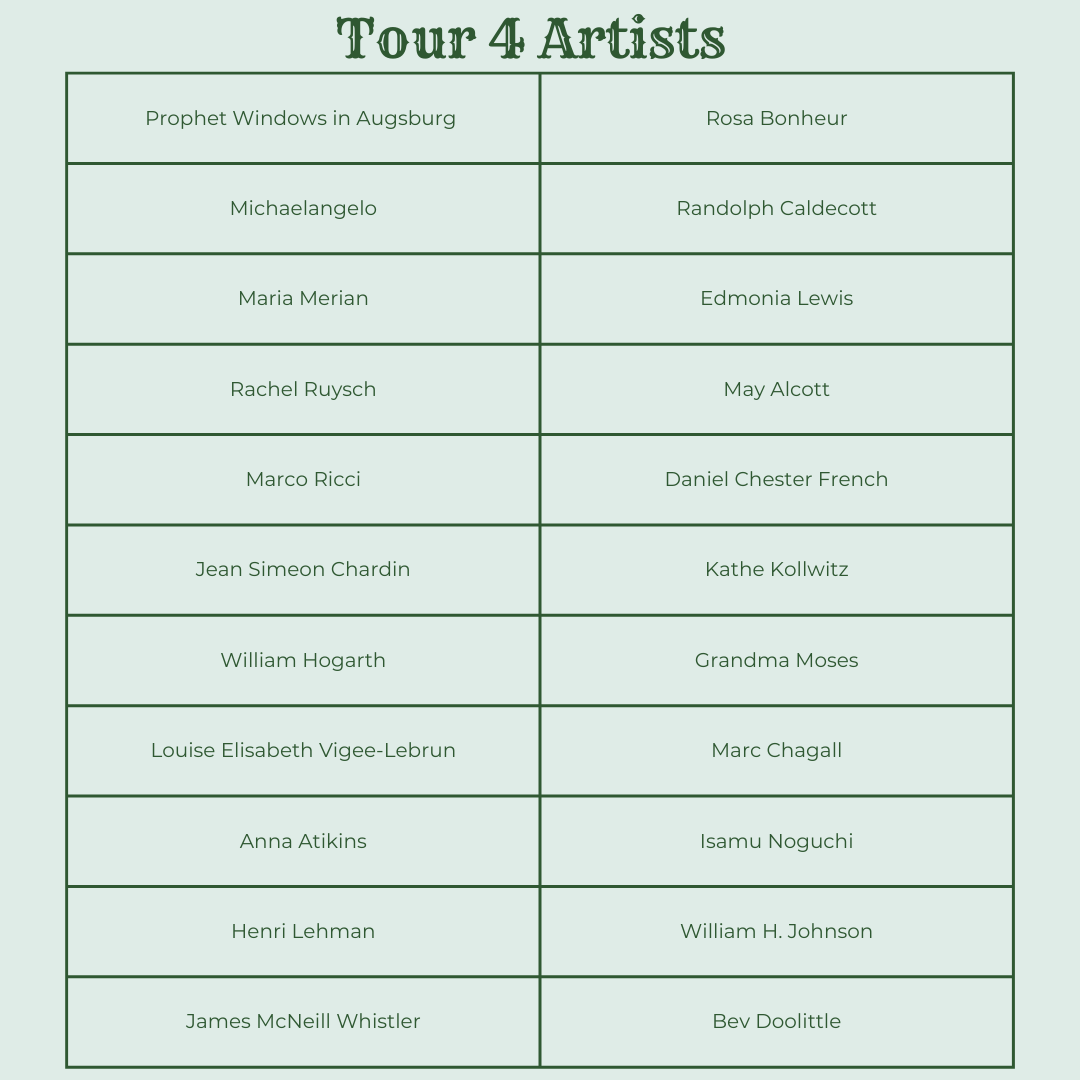
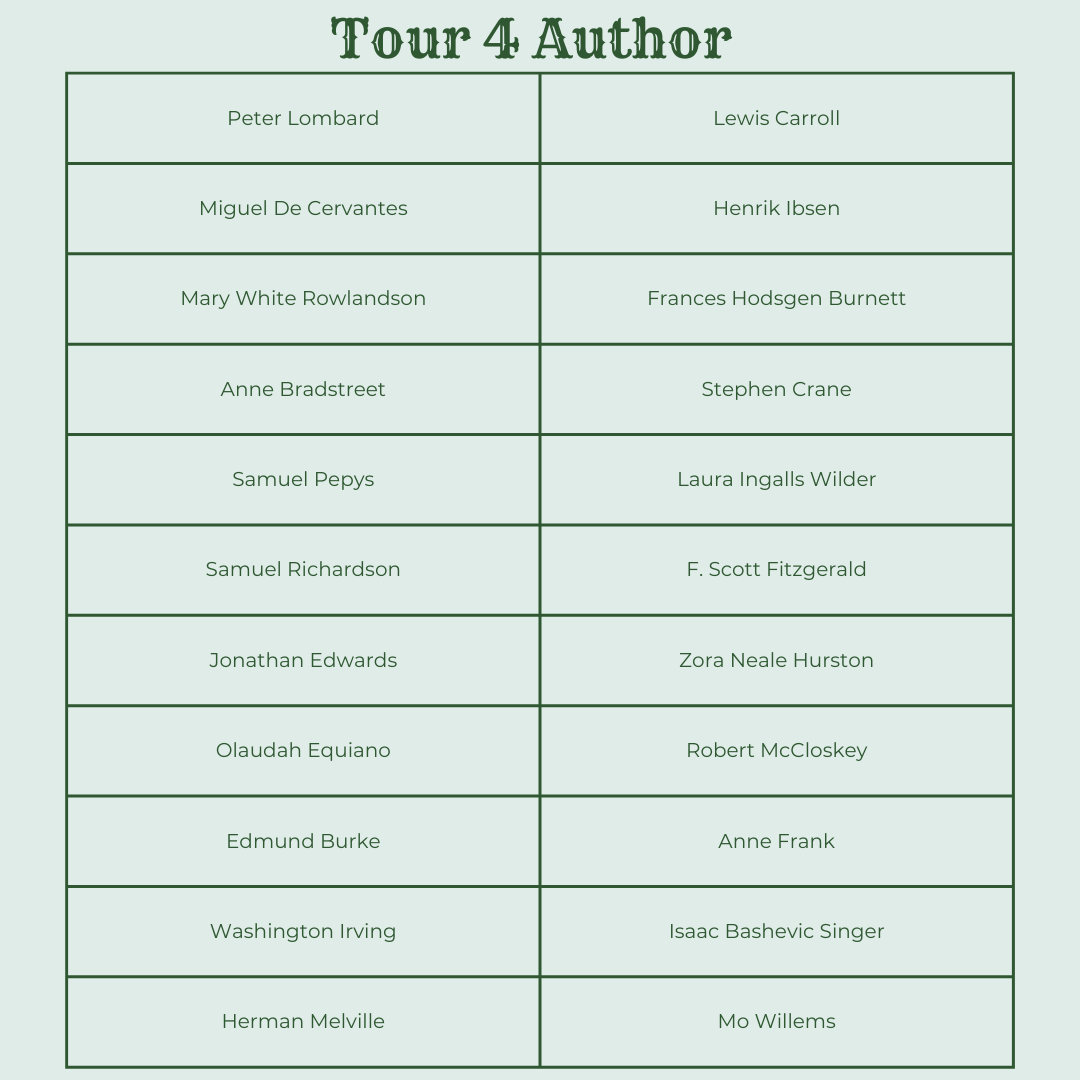
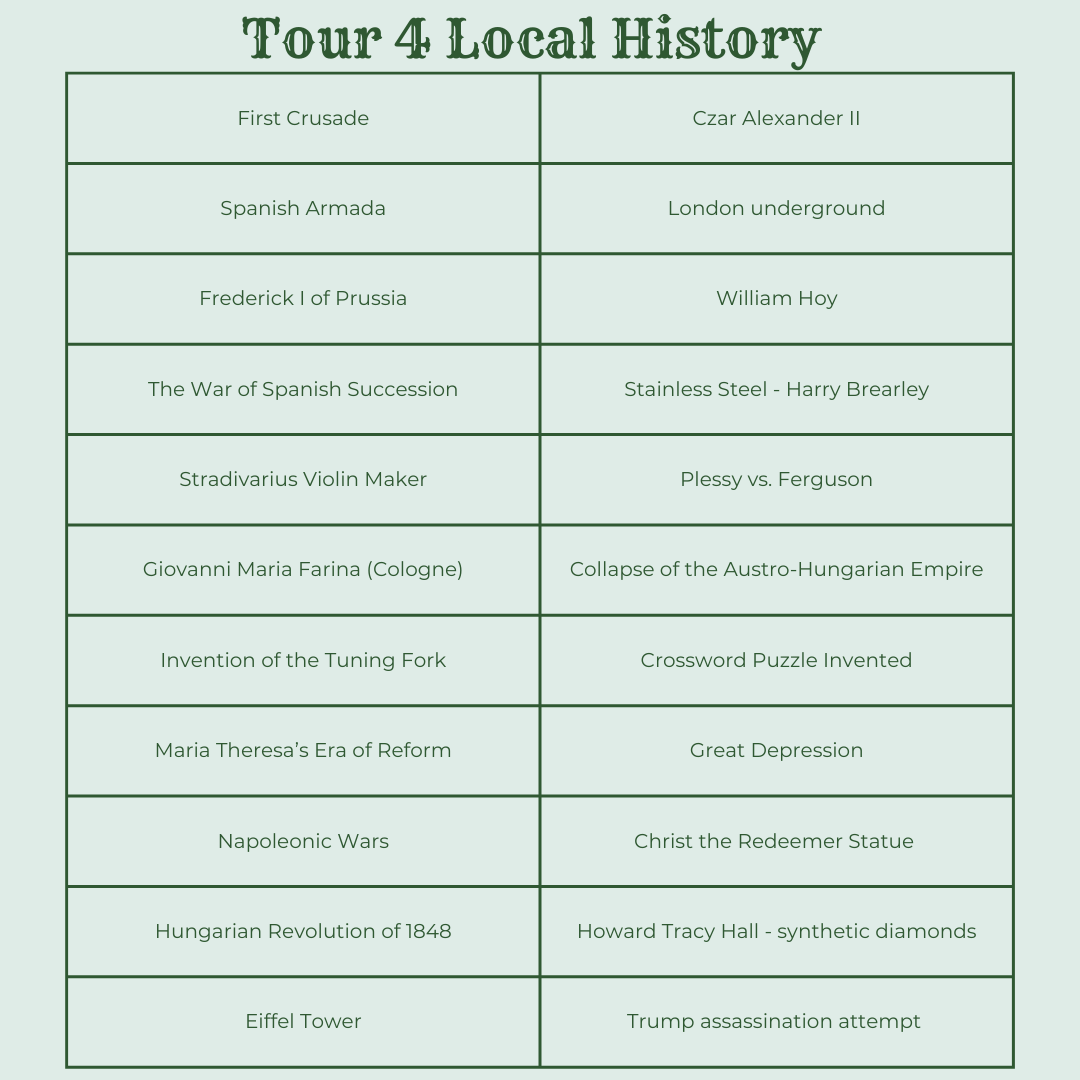
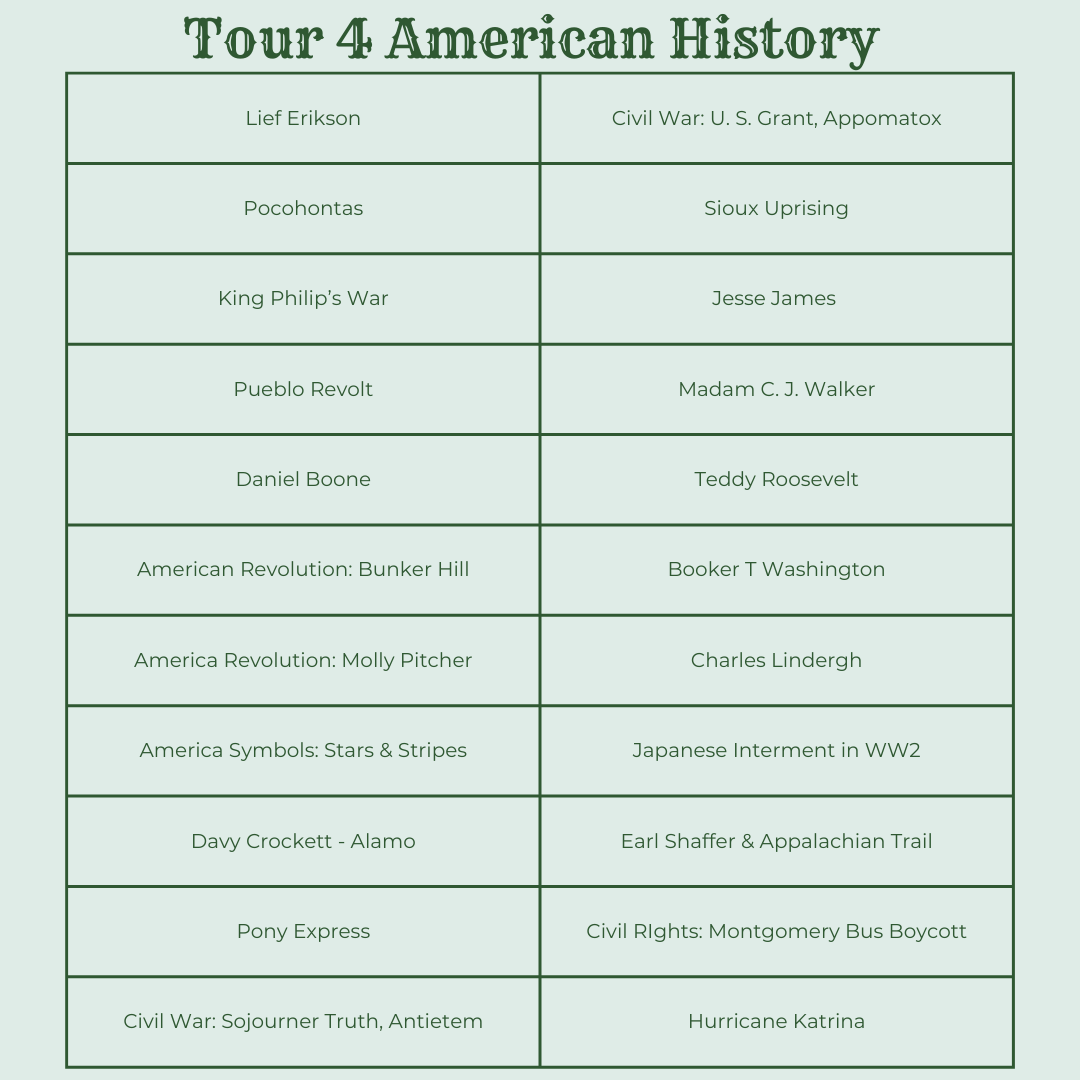
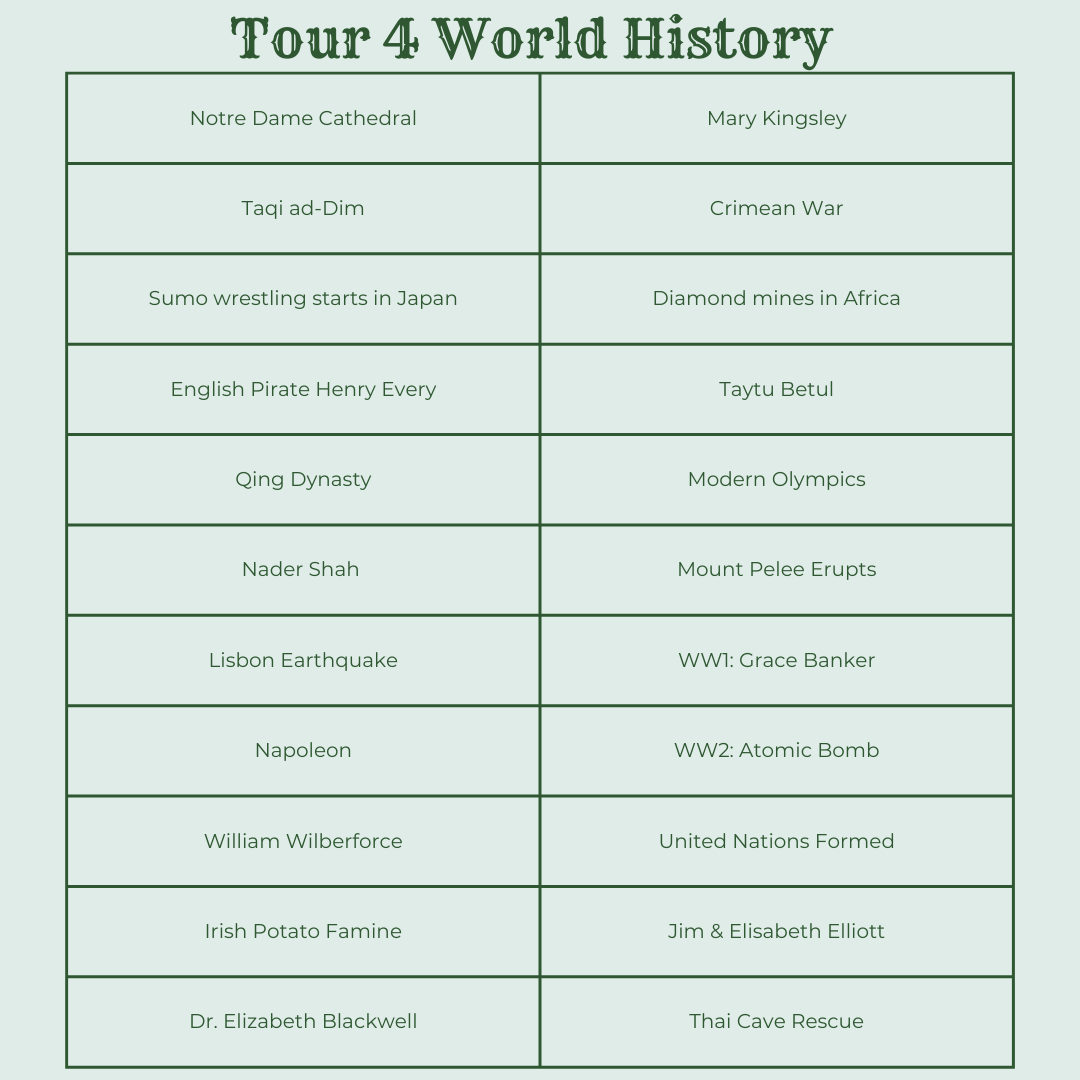
There are four tours (or cycles) to choose from, each starting in the Middle Ages and ending in current times. However, they cover different composers and related subject topics within each tour.
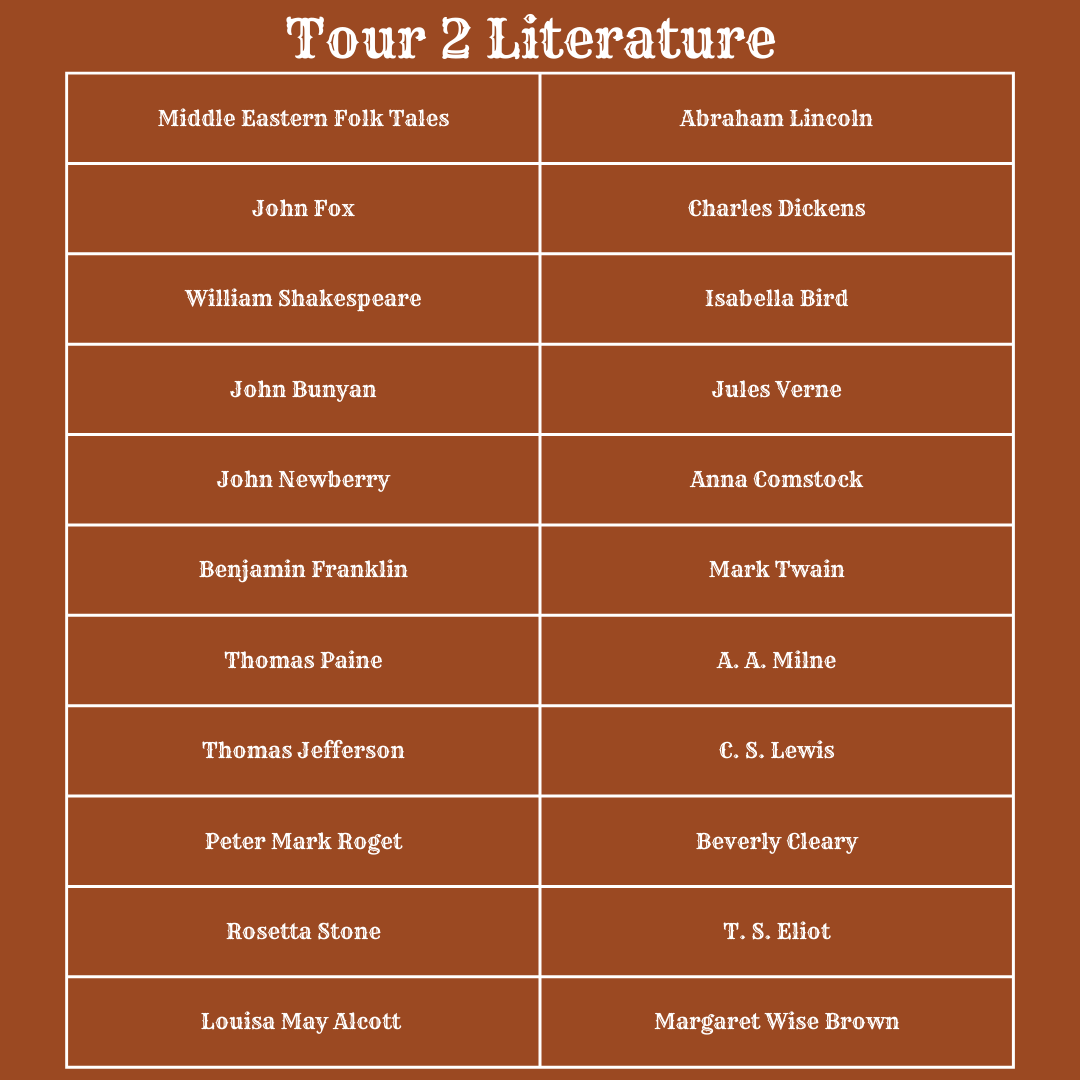
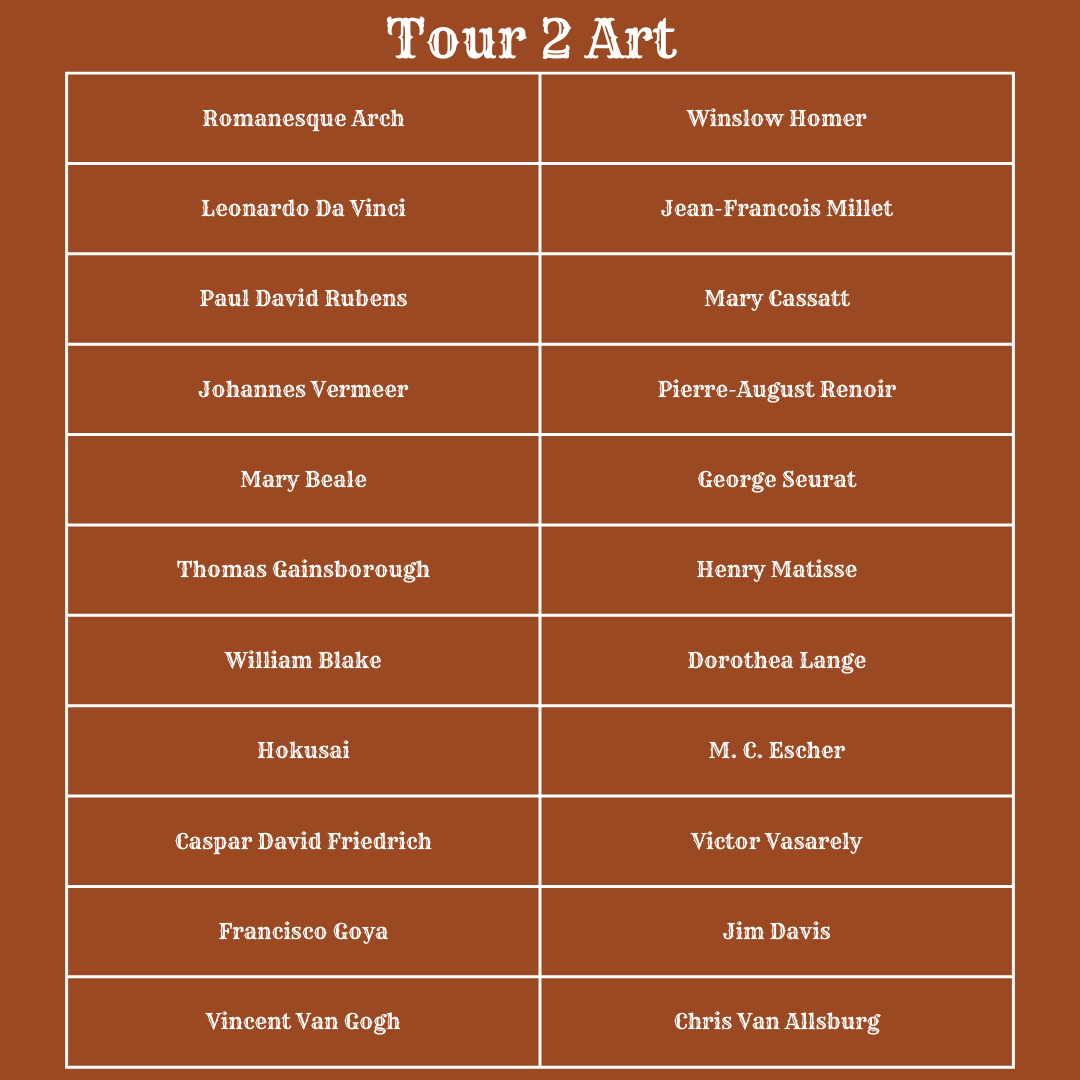
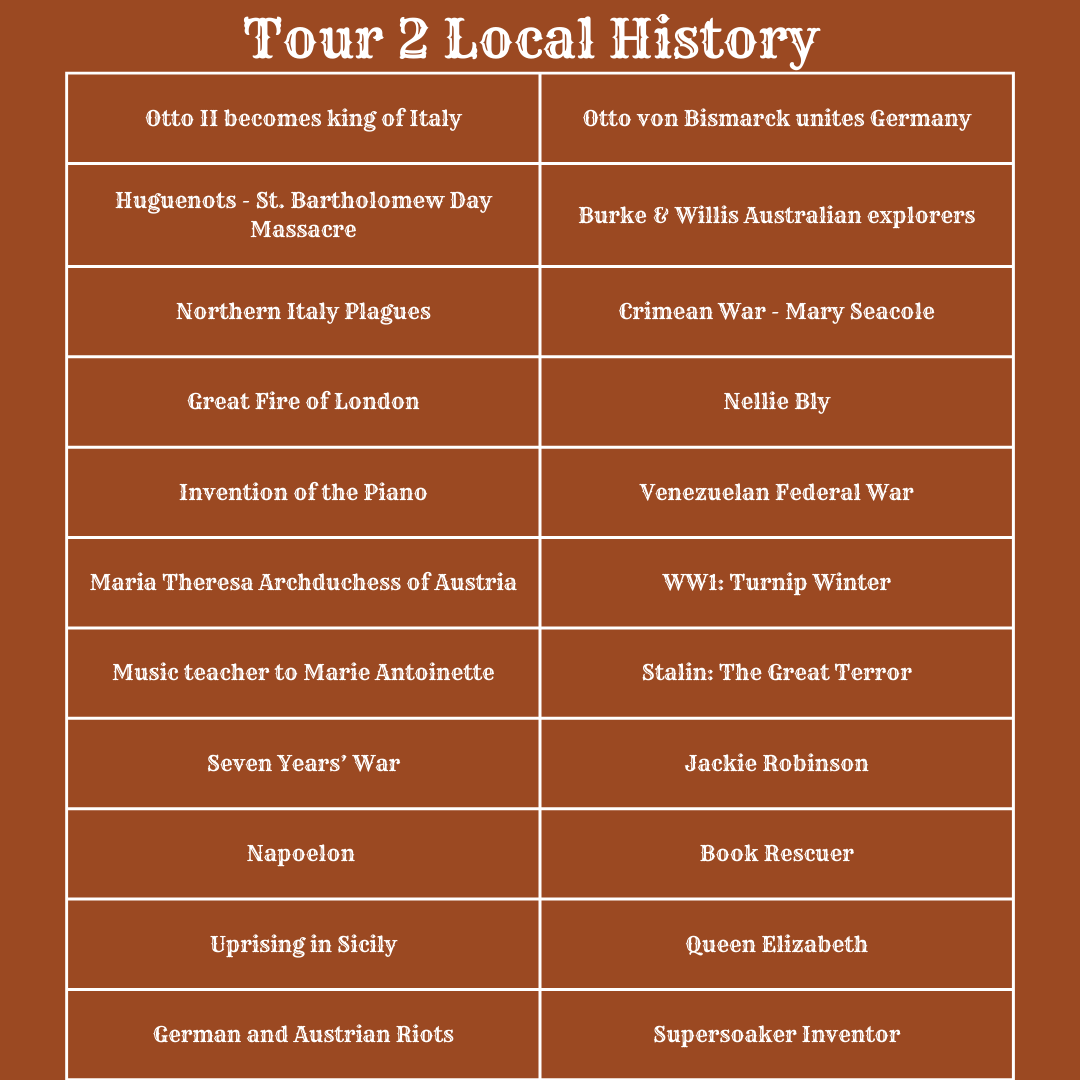
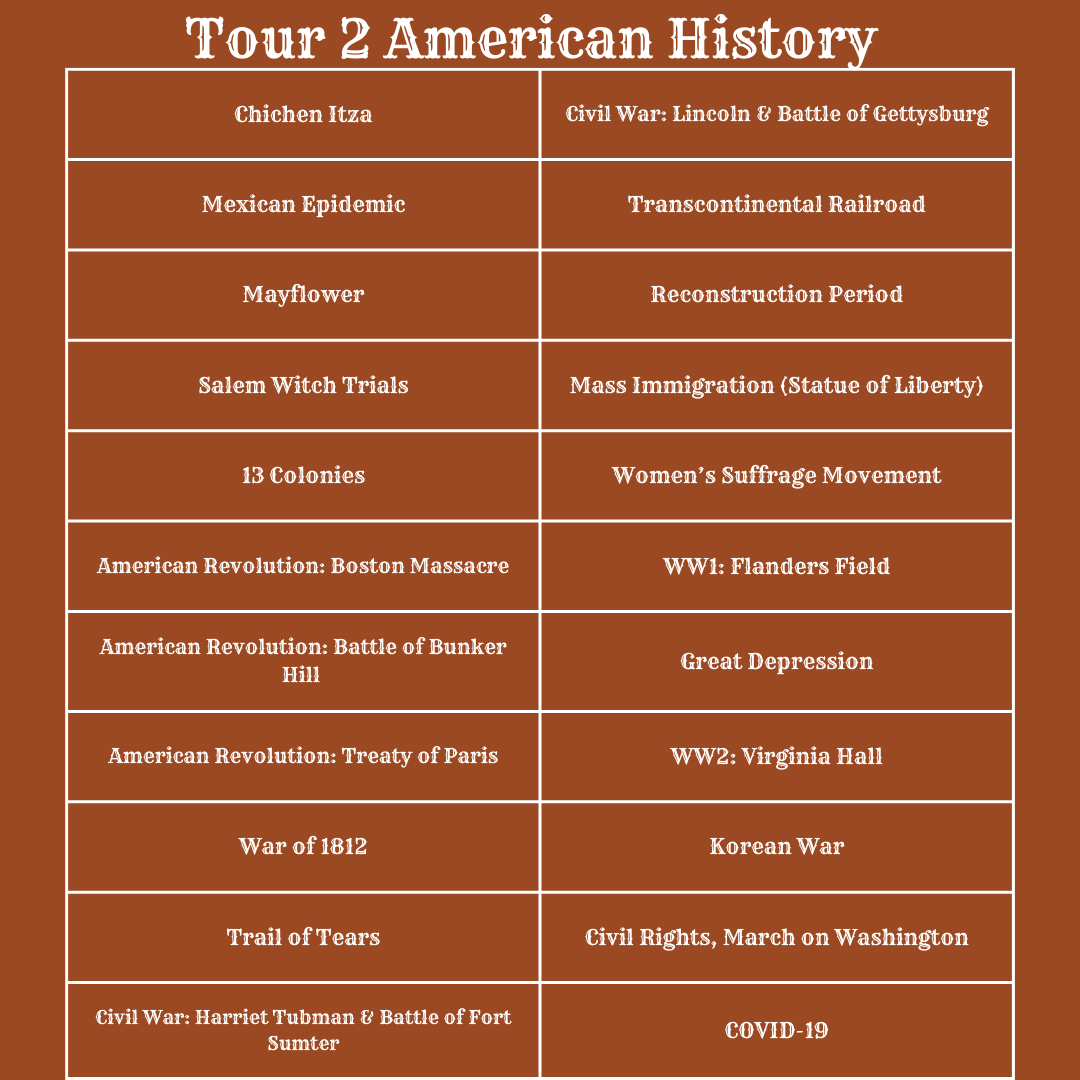
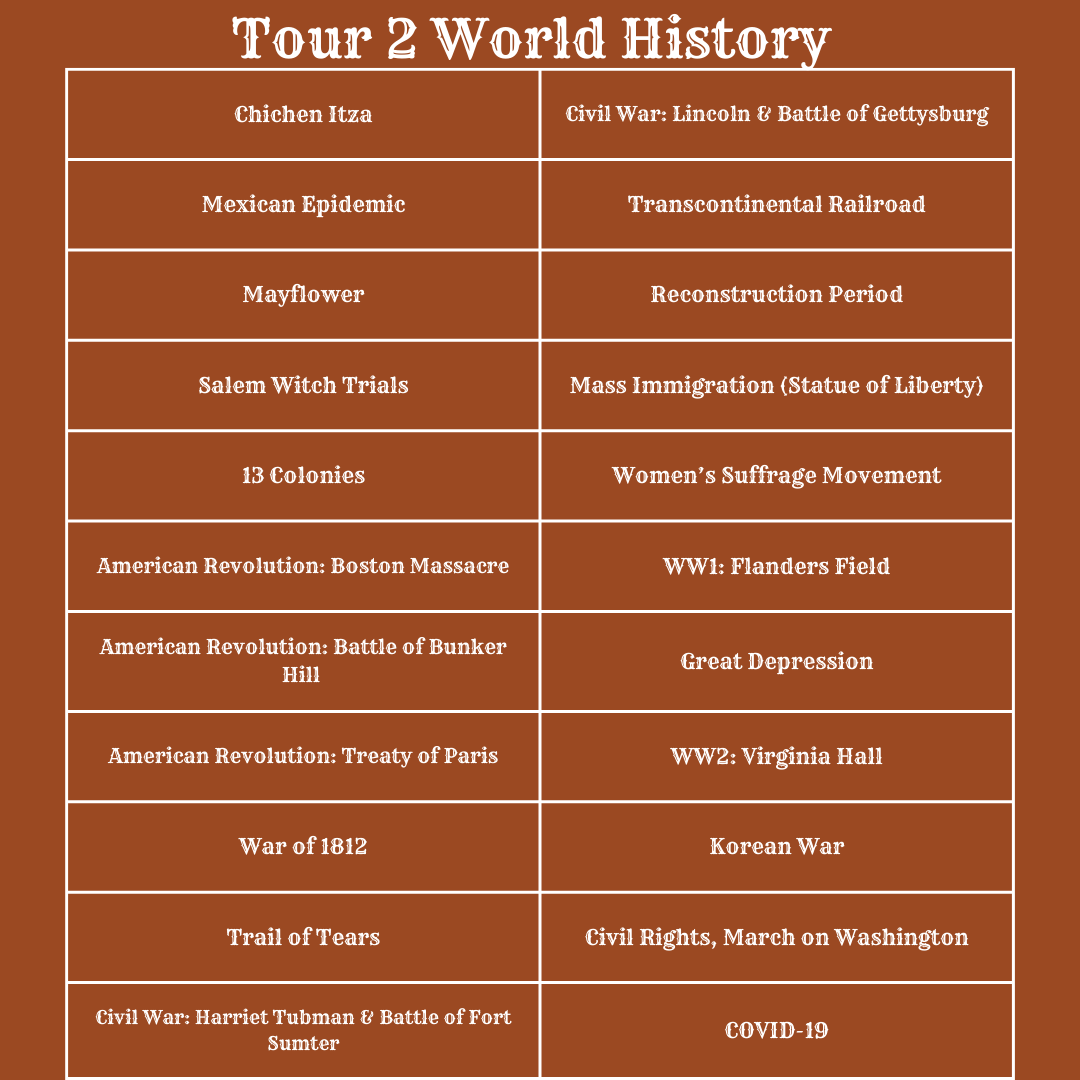
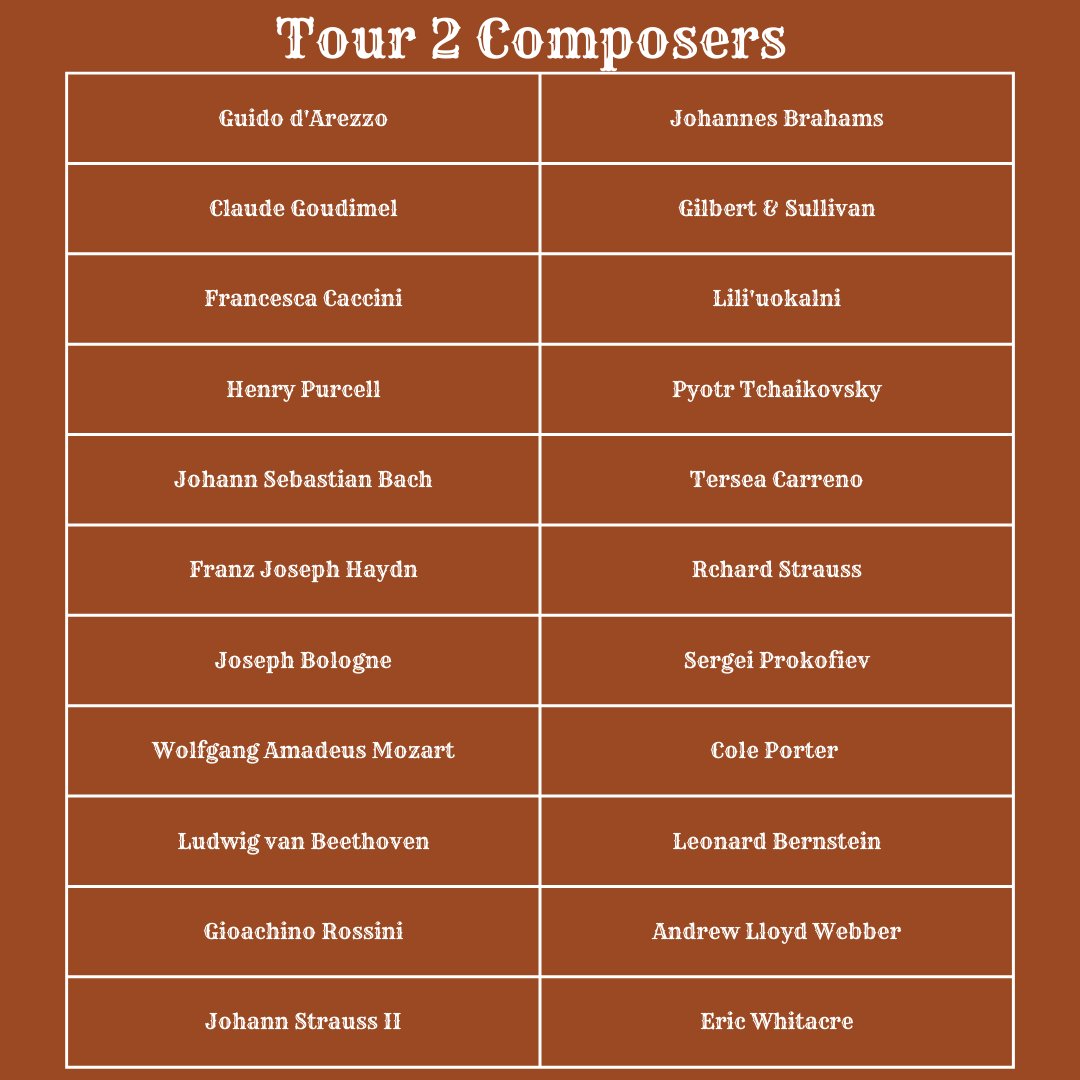
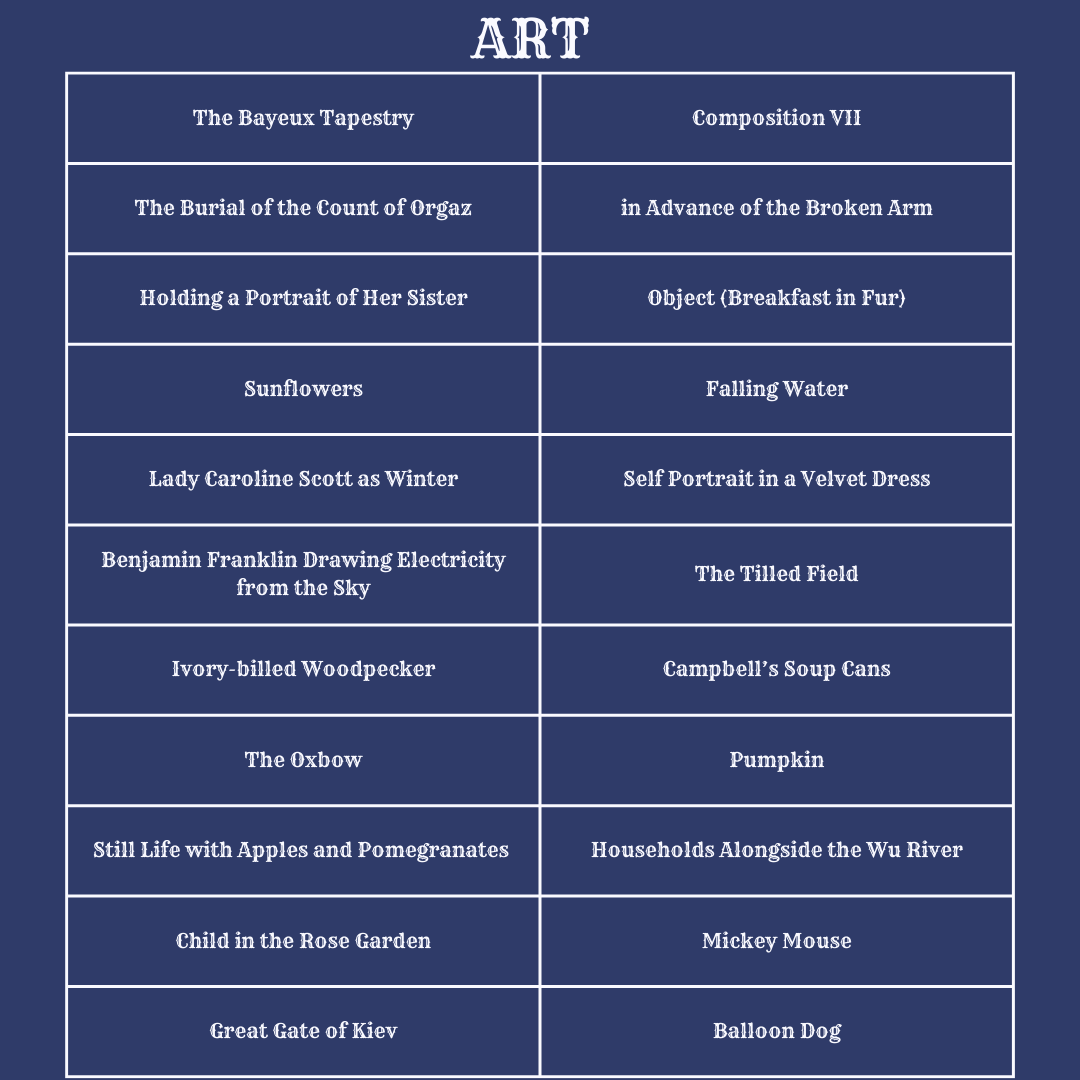
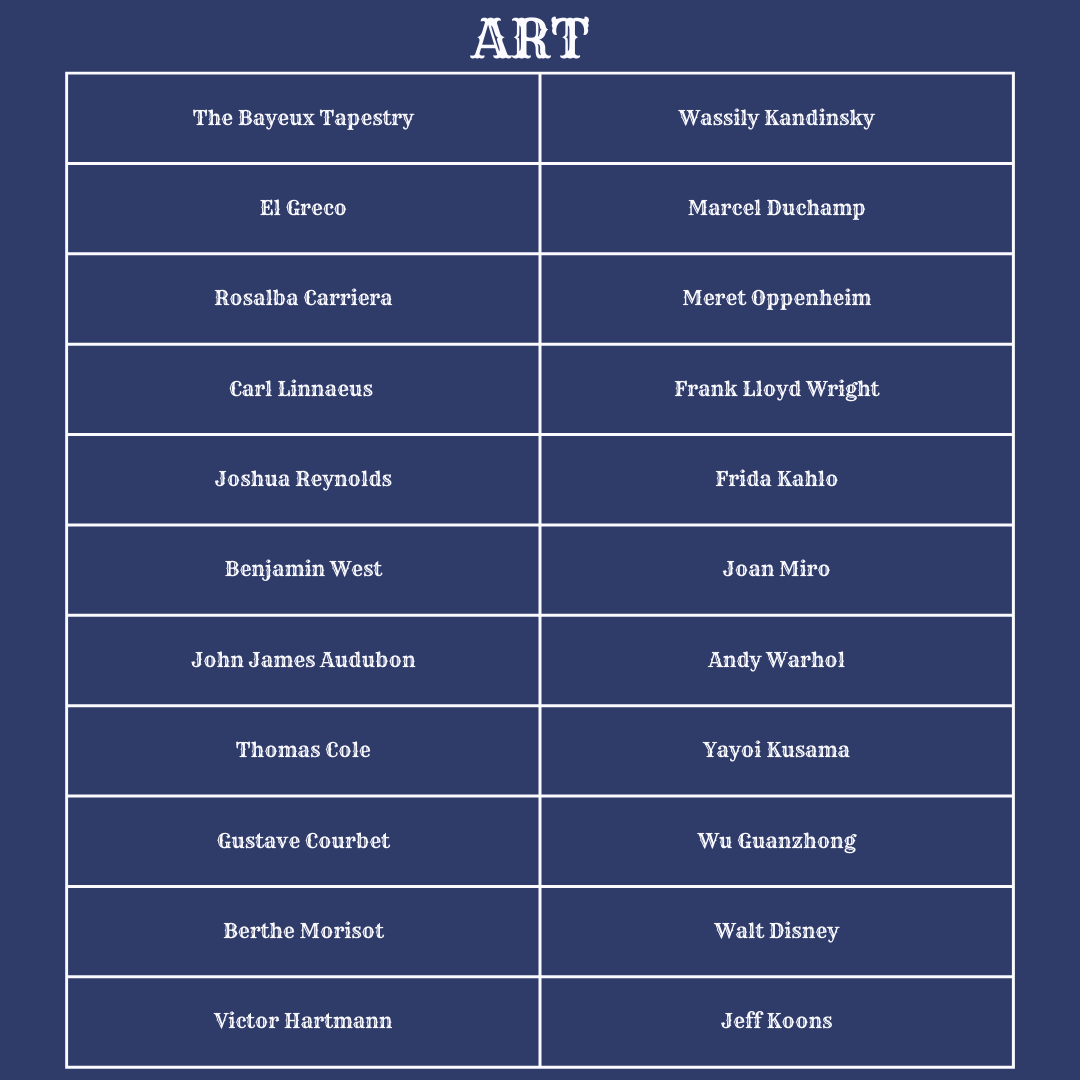
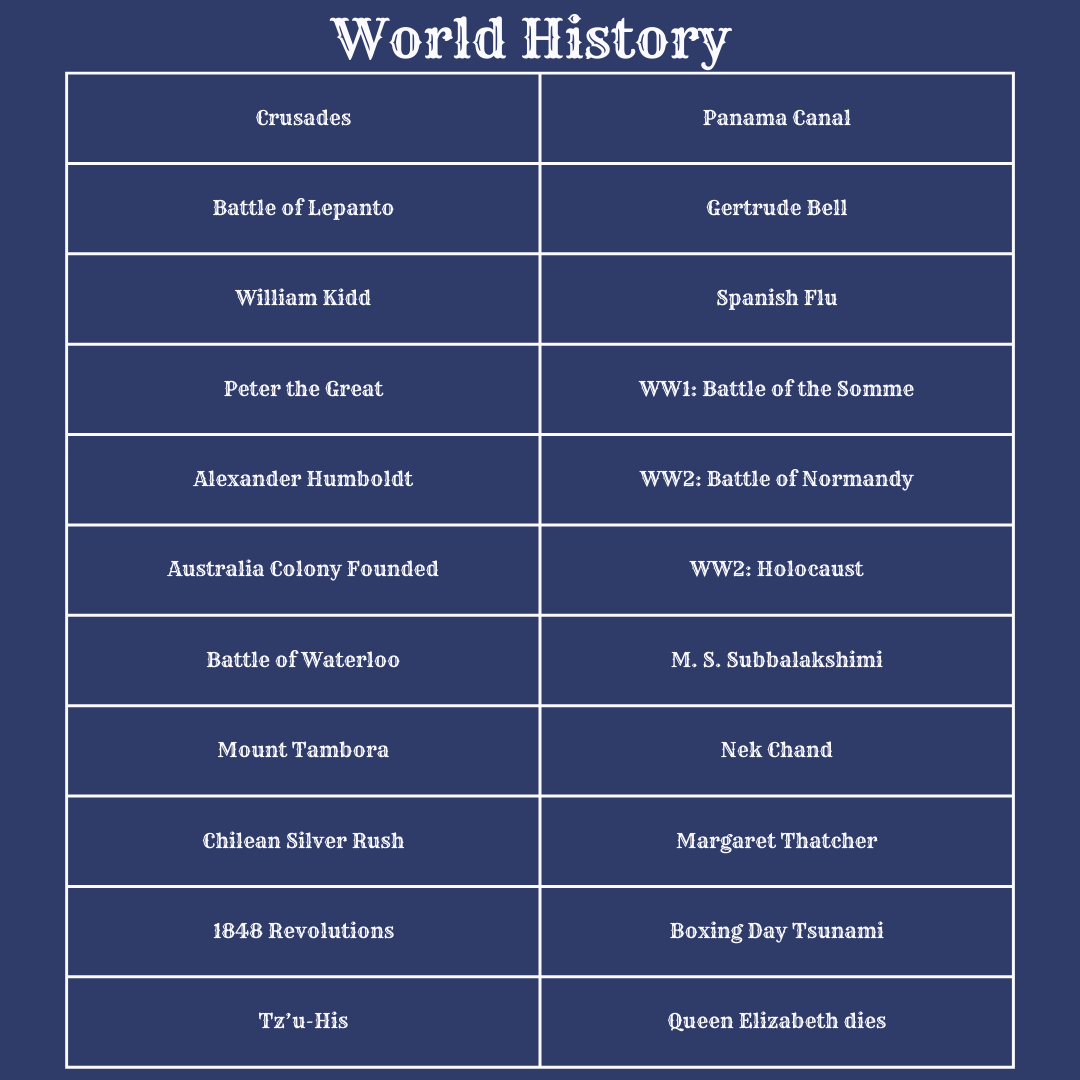
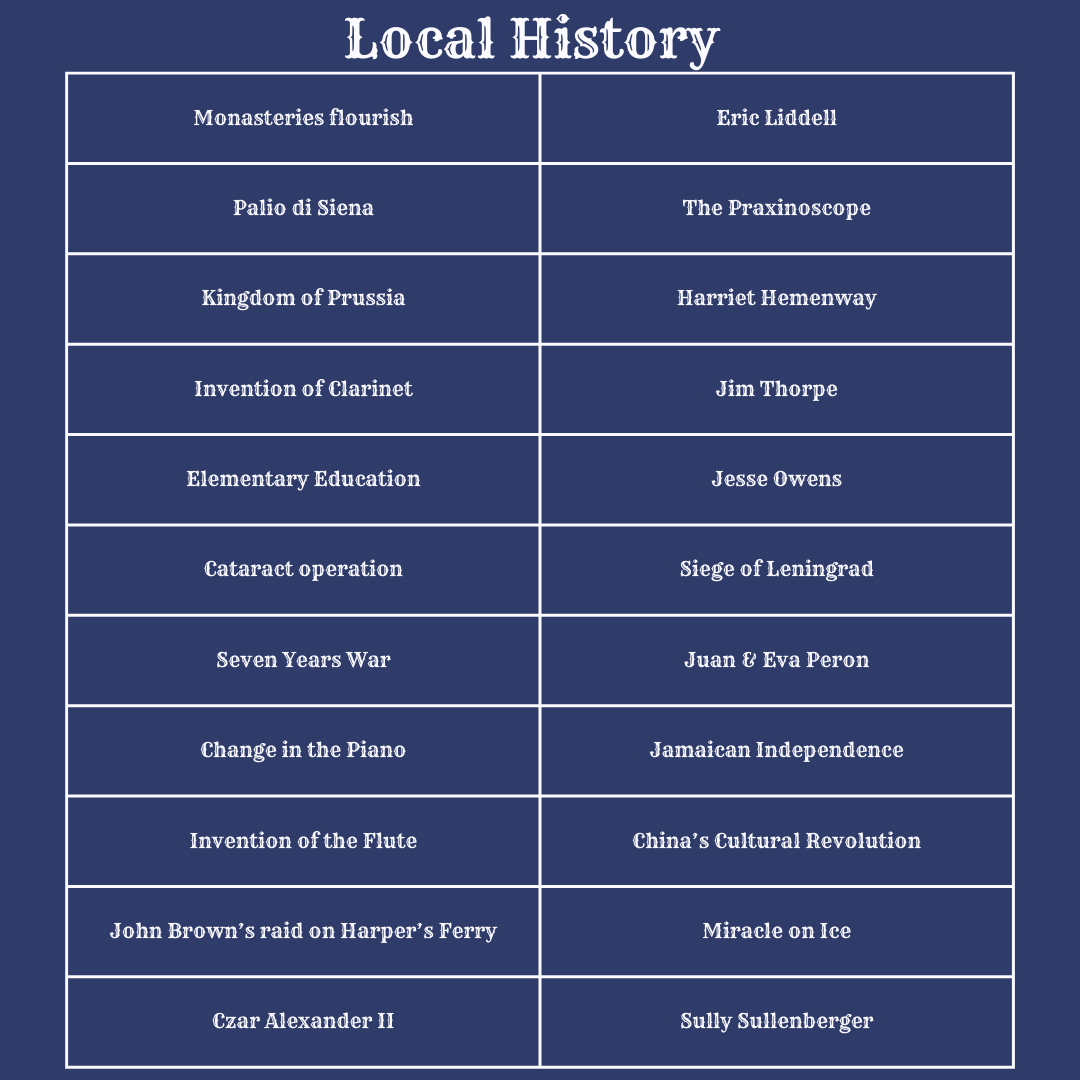
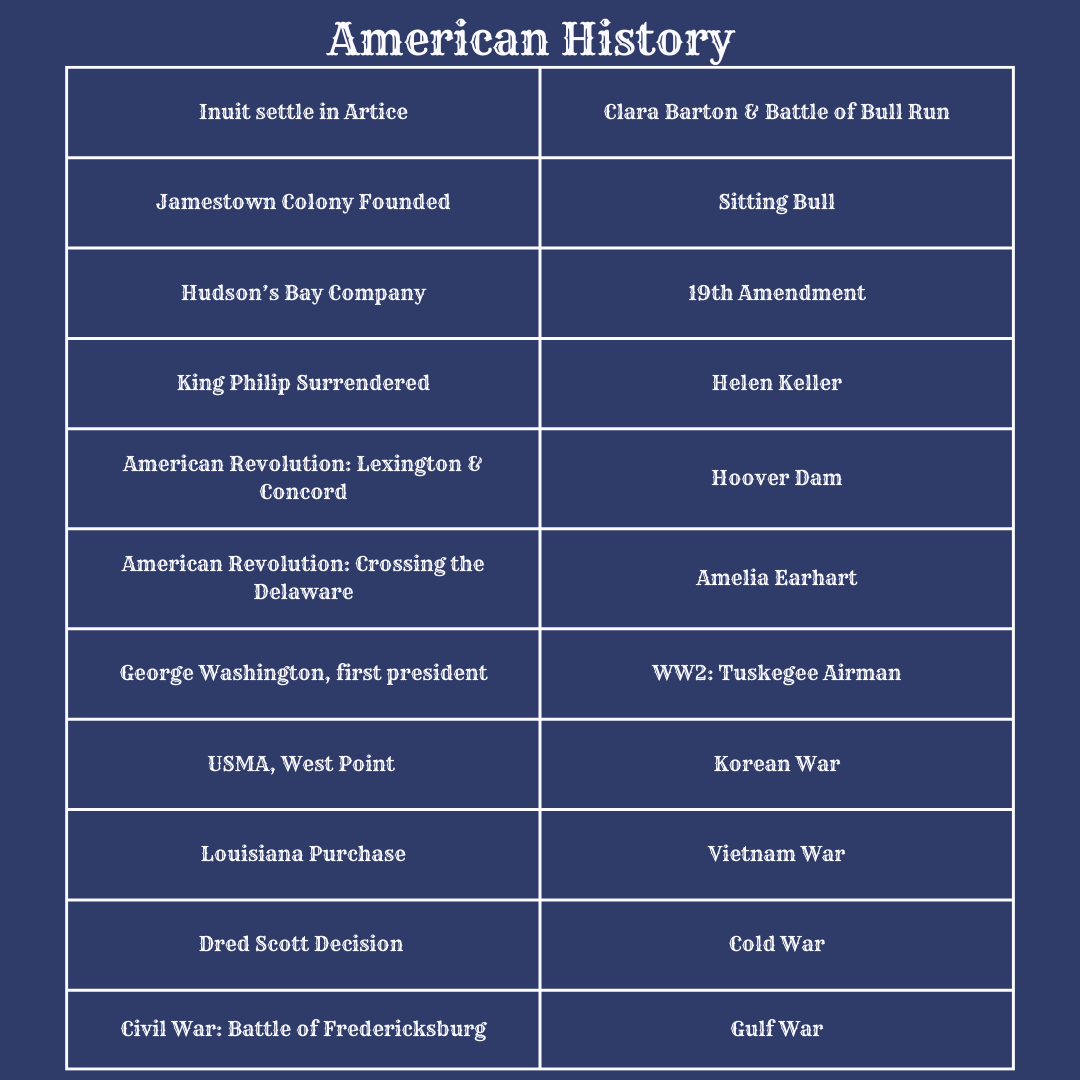
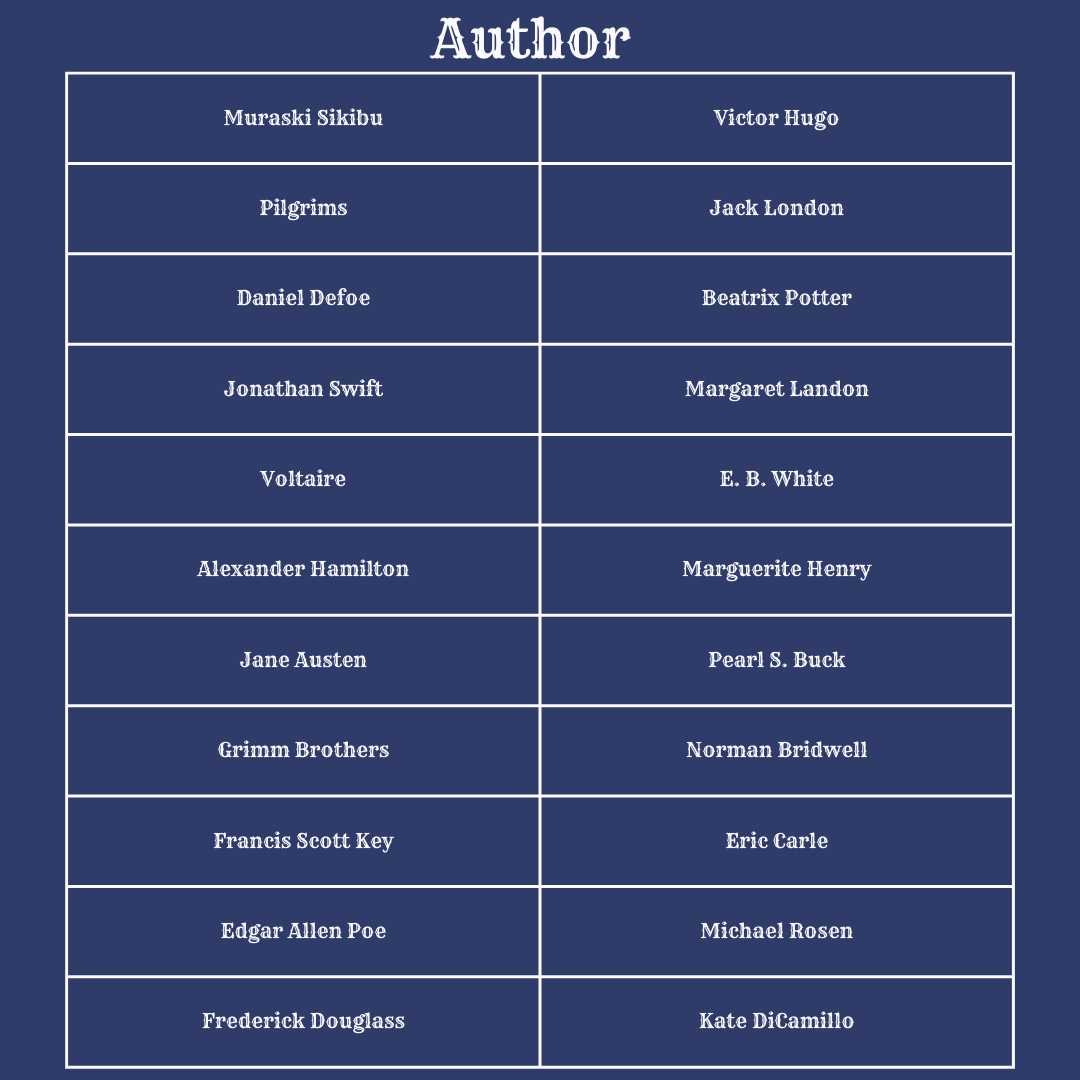
Why do people like the Feast of Ideas curriculum?
Preview the Products
Feast of Ideas Tour 2 Teacher Manual Video Tour
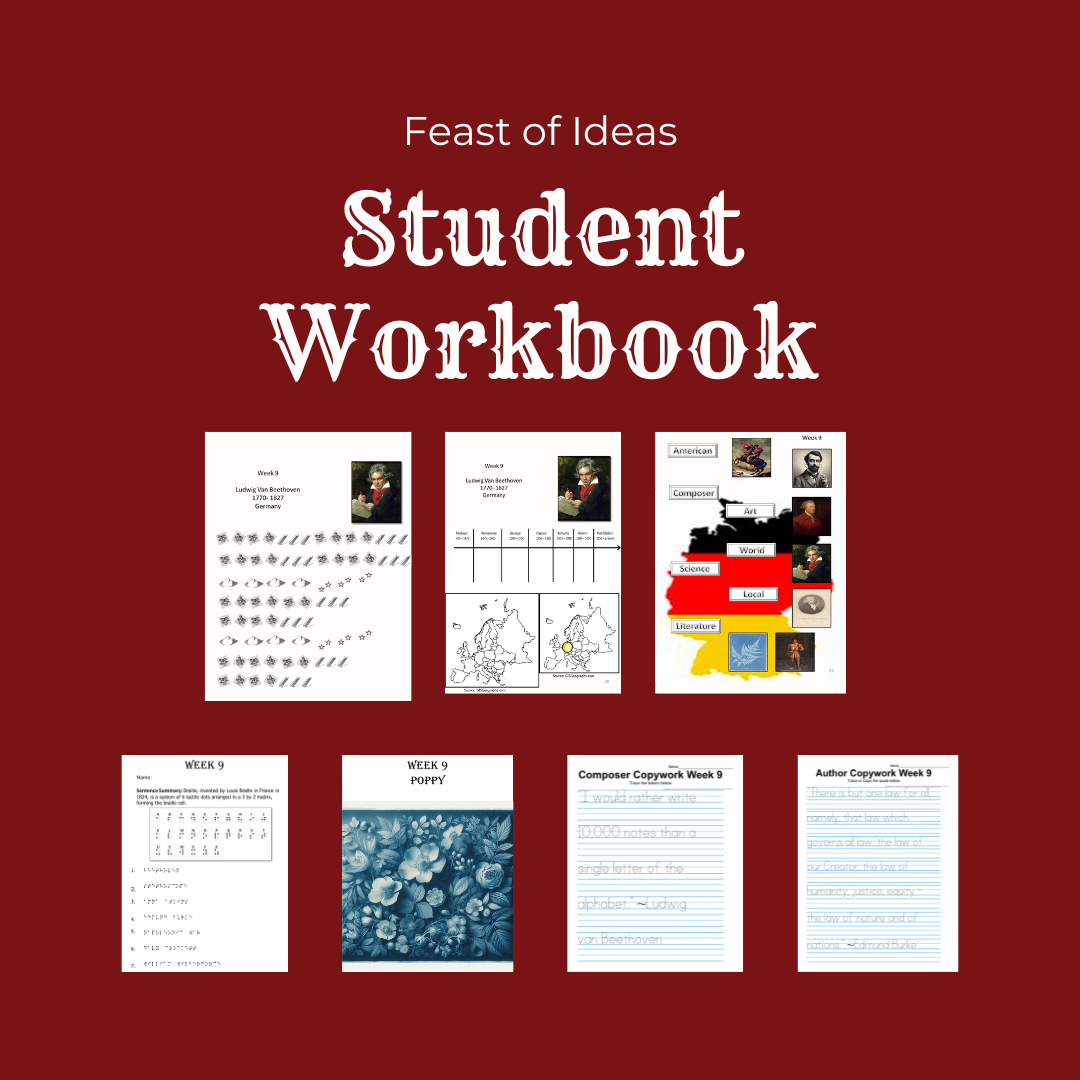
Feast of Ideas Tour 2 Student Workbook Video Tour
Time & Place Cards Product Tour
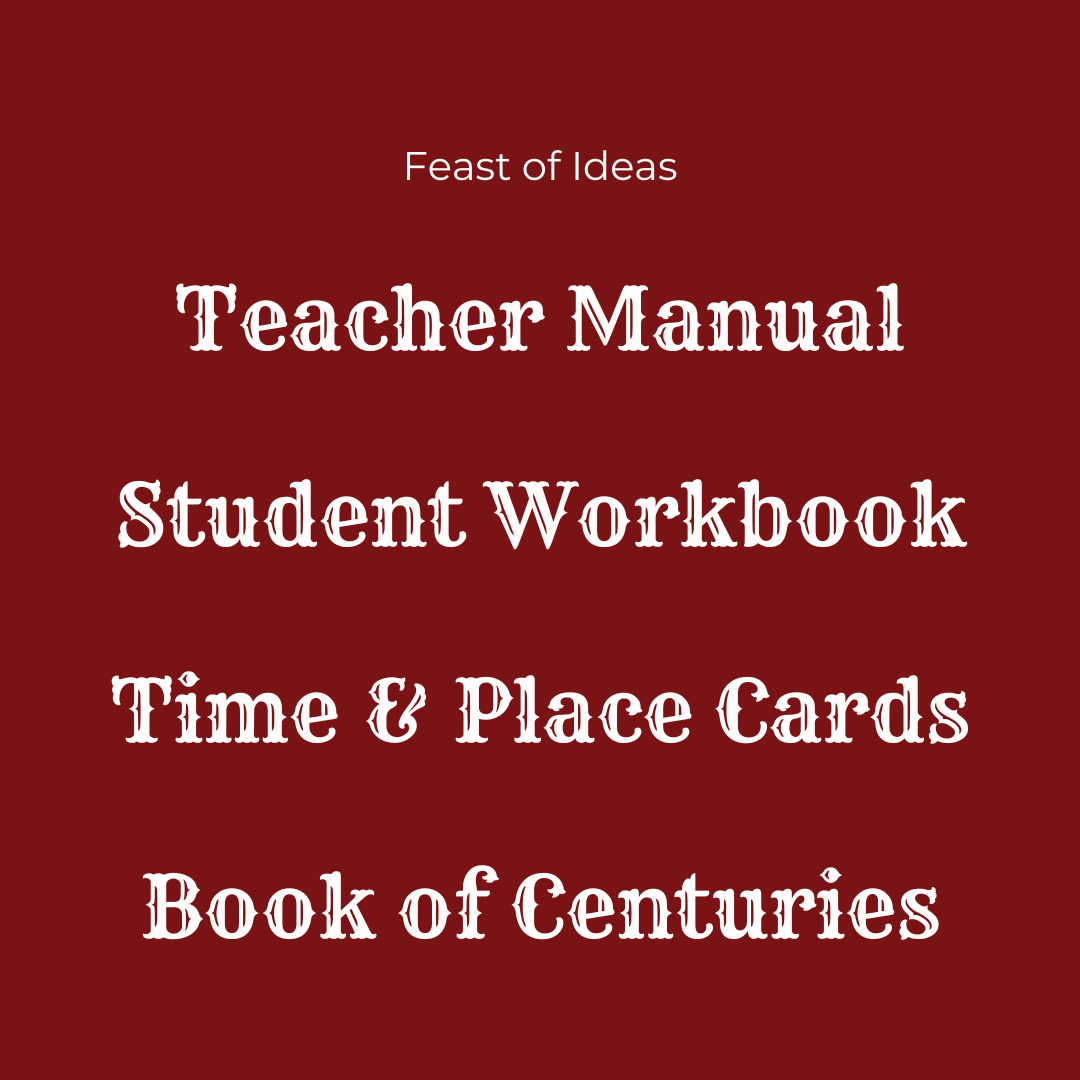
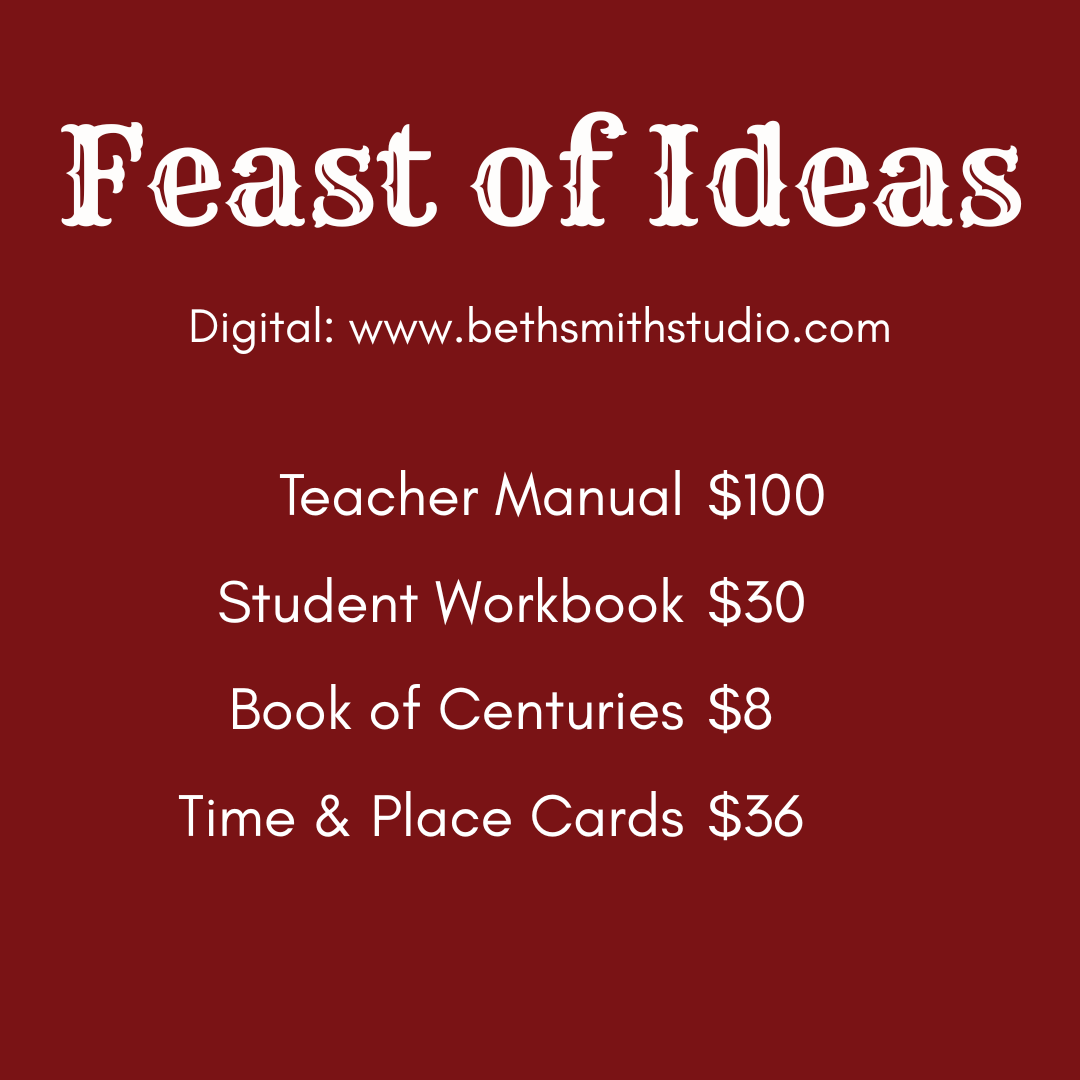
Link to the Digital Downloads: Teacher Manual, Student Workbooks, Book of Centuries, Time & Place Cards, and Individual Composer Studies
FAQs
1. Can I make copies of the student handbook, or do I need to buy multiple copies?
Families may purchase one student handbook and can make copies. Otherwise, you would need to buy multiple copies. If you teach a co-op or music class, please have each family purchase their own student workbook.
2. Do you have a page that lists all the books you'll need for the whole year? Is there a digital list of all the needed videos so I can click on the links each week instead of typing or searching for them myself?
Yes, after payment has been received for the curriculum, I will send you digital documents that contains the yearly book list and the video links. The book list document will have open parenthesis at the end of each title ( ) so you can mark which ones you already own, which ones you need to check out from your library, which ones you might need to purchase. The video document contains hyperlinks to all the needed videos.
3. What is the difference between Tour 1, Tour 2, Tour 3 and Tour 4?
The only differences between the Tours are the content (composers and their related subject topics). There is no difference in level (both are geared for elementary K - 6), scope (both start in the middle ages and end in post modern current times), and sequence (one does not have more “advanced” skills than the other).
4. Can I just buy the music portion?
Yes, if you want to just teach the music portion in your homeschool, class, or co-op, you can purchase just the Music Teacher Manual and the Music Student Workbook. If you are buying for a class, please have each student/family purchase their own student workbook (Families can purchase one and make copies for siblings). Licenses are available for co-ops to purchase one digital copy and print unlimited copies for students in a single co-op class taught by one instructor.